
Al Skin And Hair Analyzer MachinesAl Skin And Hair Analyzer Machine
Al Skin And Hair Analyzer MachinesAl Skin And Hair Analyzer Machine suppliers
Al Skin And Hair Analyzer MachinesAl Skin And Hair Analyzer Machine factory
Al Skin And Hair Analyzer MachinesAl Skin And Hair Analyzer Machine best
Al Skin And Hair Analyzer MachinesAl Skin And Hair Analyzer Machine high quality
Al Skin And Hair Analyzer MachinesAl Skin And Hair Analyzer Machine price
Al Skin And Hair Analyzer MachinesAl Skin And Hair Analyzer Machine high quality
Al Skin And Hair Analyzer MachinesAl Skin And Hair Analyzer Machine factory
Al Skin And Hair Analyzer MachinesAl Skin And Hair Analyzer Machine
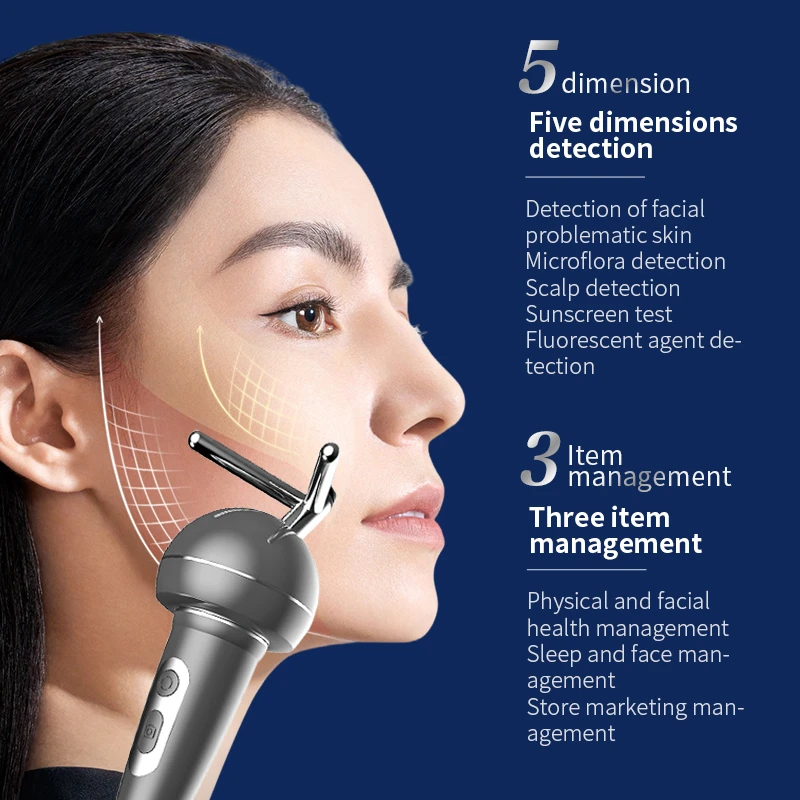
Comprehensive Health Management: Covers five key areas of analysis—including facial skin, scalp condition, sun protection, and fluorescent agent detection—while integrating health data management for metrics such as body weight and sleep quality.
Data and Marketing Empowerment: Features cloud storage, historical data comparison, 3D simulation, and intelligent product recommendations to facilitate precise marketing and store management.
Description
Technical Parameters
A Consultation Tool That Turns Skin and Scalp Assessment Into Objective Data
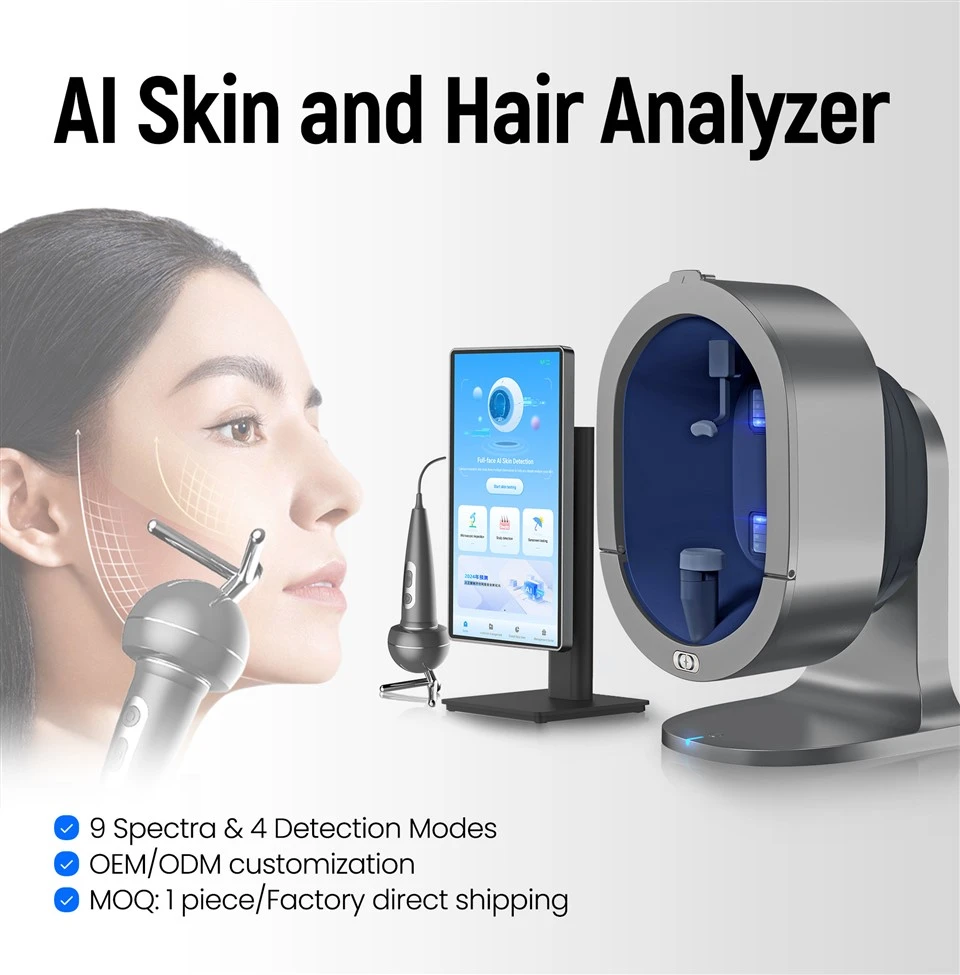
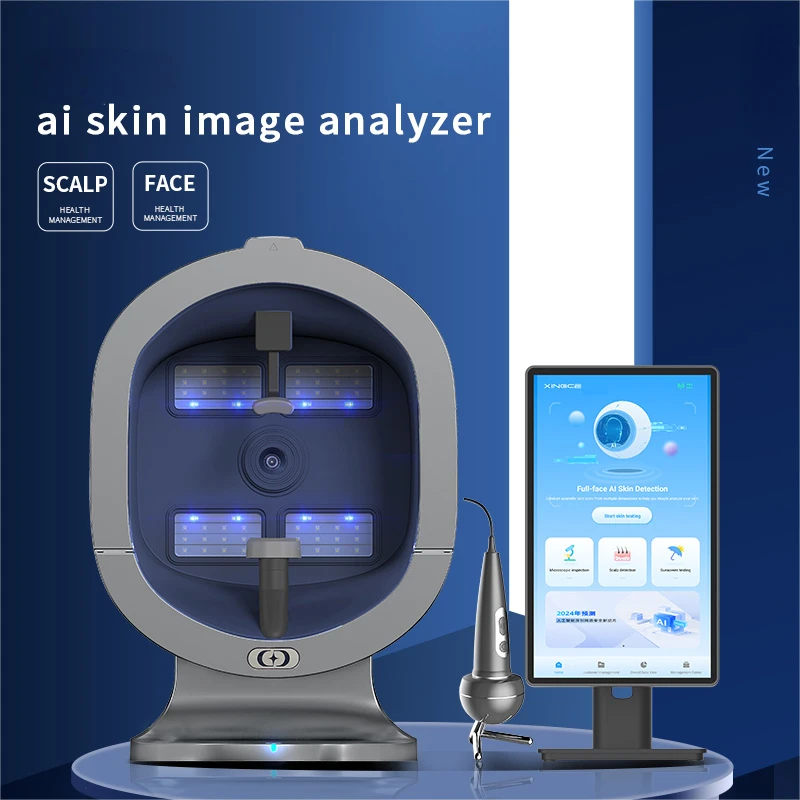
Most aesthetic consultations still begin with a conversation and a magnifying lamp. The AI Skin and Hair Analyzer Machines change that starting point. Instead of relying on what the eye can see under ordinary light, this platform captures nine imaging views, runs them through an AI chip and cloud analysis, and produces a report that both clinician and patient can read together.
It is not a treatment device. It is a diagnostic and communication system. For clinics that sell packages, memberships, or retail skincare, that distinction matters. The machine shortens the gap between what a patient feels and what a clinician can prove.
Product Introduction: What the System Does and How It Works
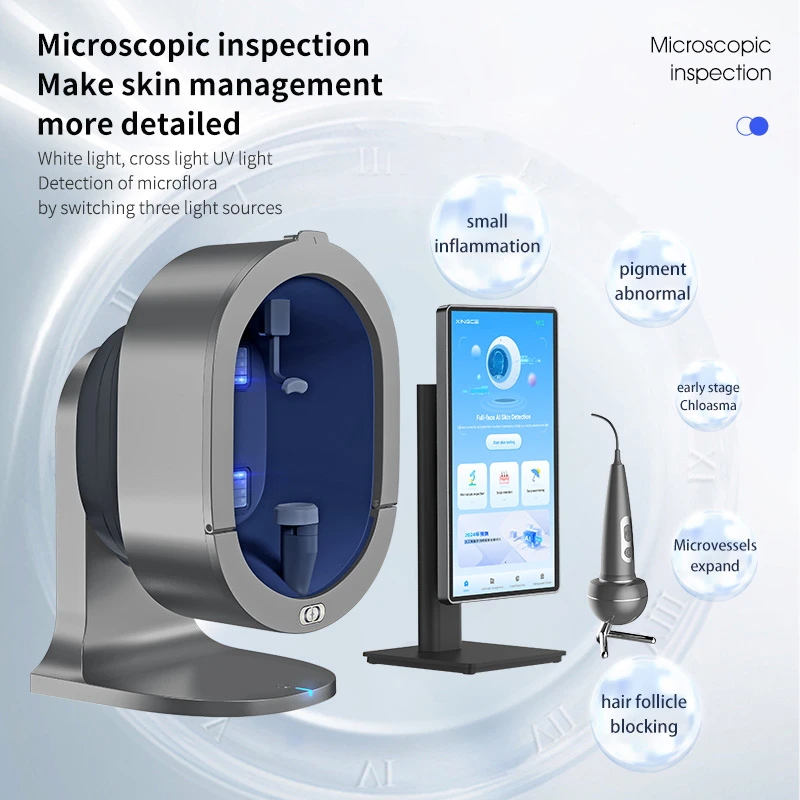
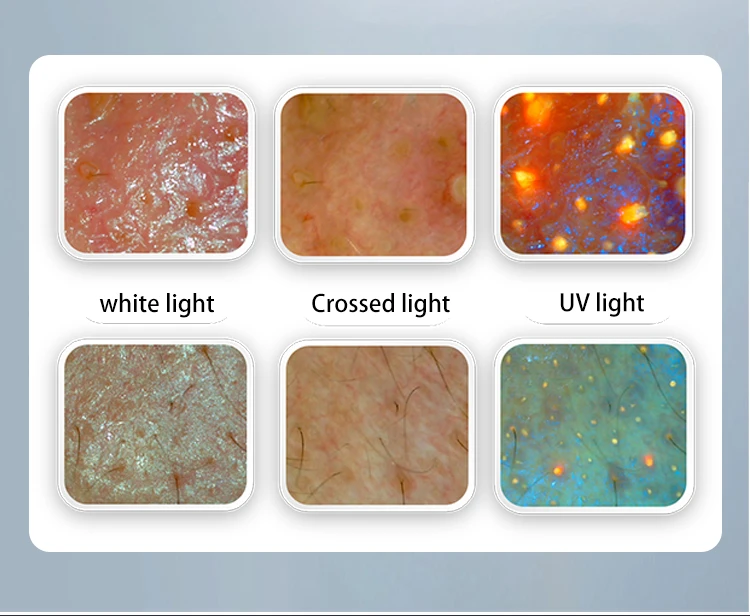
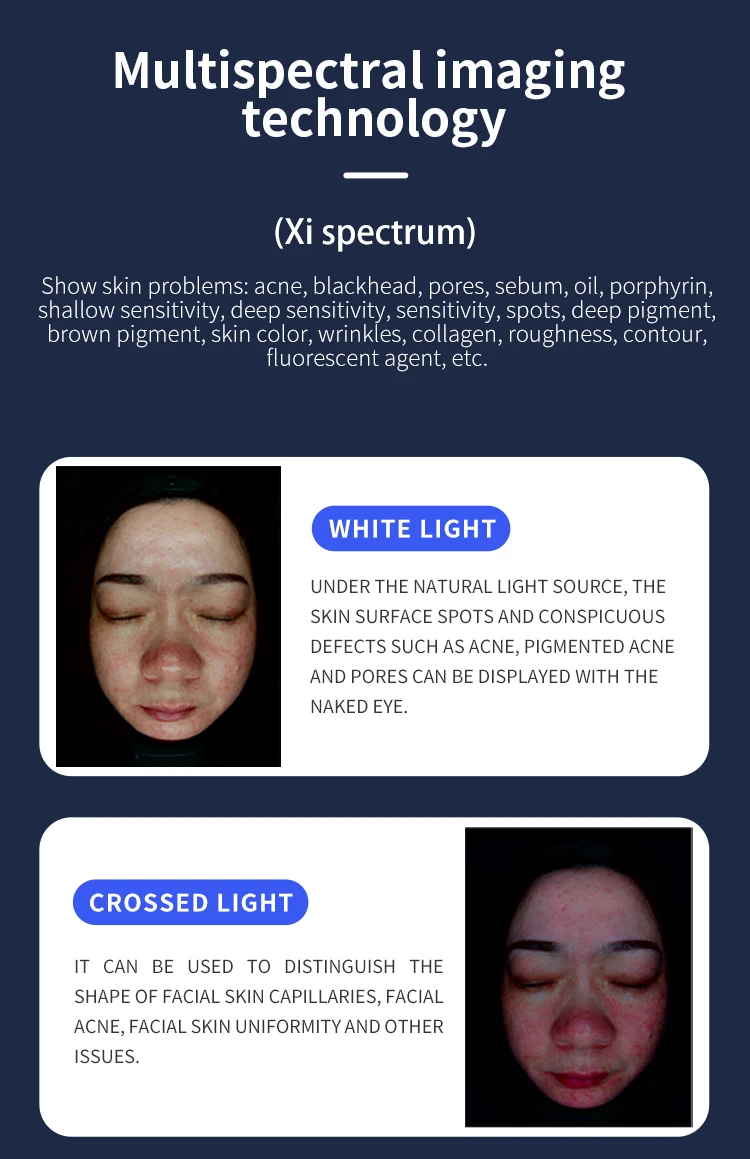
The core function is layered skin and scalp imaging. The unit cycles through white light, crossed light, directional light, UV light, Wu's light, and composite UV light. Each mode reveals a different depth or tissue behavior. White light exposes surface acne, pores, and visible pigment. Crossed light shows vascular patterns and uneven tone. Directional light magnifies texture, fine lines, and wrinkles. UV light reveals porphyrin, bacterial activity, and superficial pigmentation. Wu's light reaches deeper into the dermis to highlight melanin accumulation. Composite UV light uses fluorescence to map oil distribution and Propionibacterium acnes.
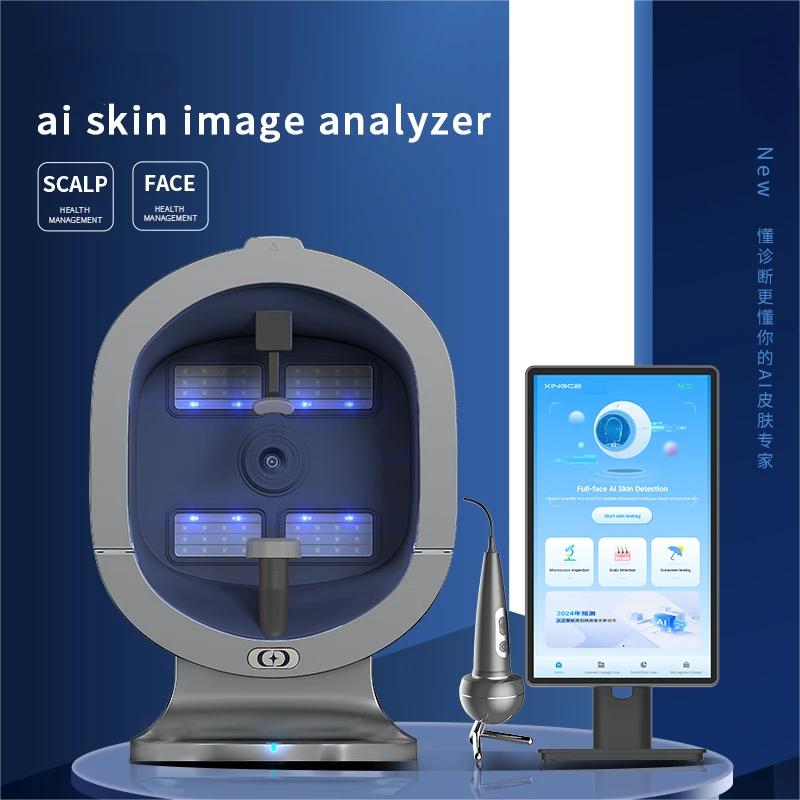
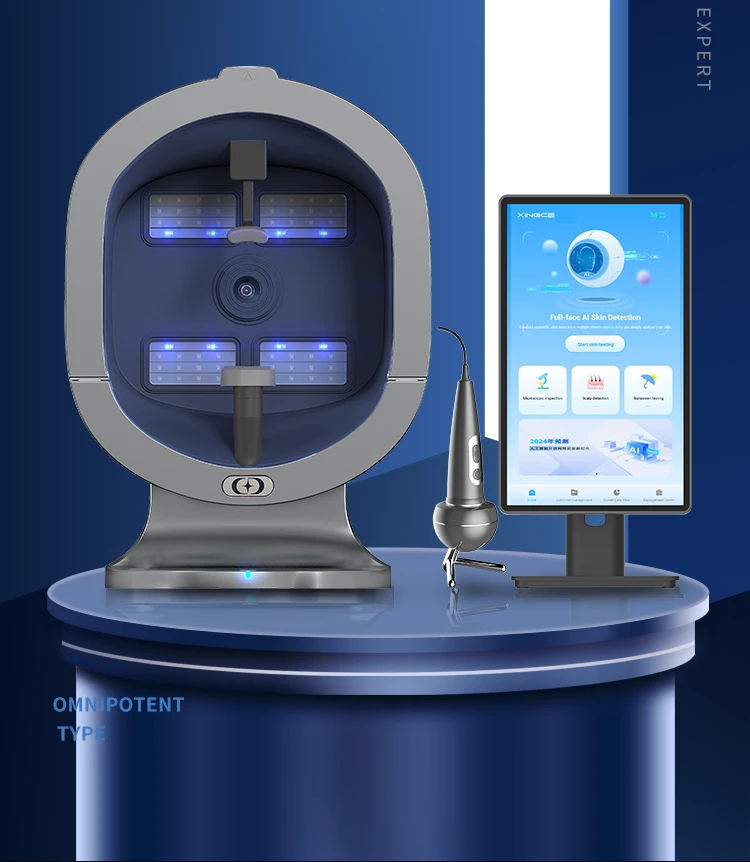
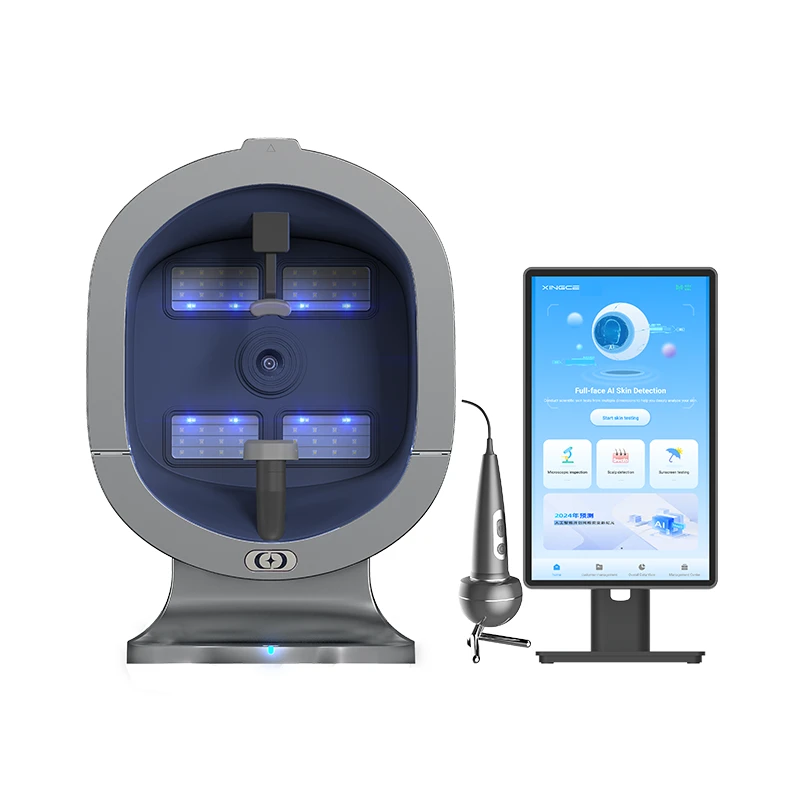
The AI component sits on top of the imaging stack. A dedicated chip identifies target areas and uploads images to cloud computing for quantitative analysis. The system measures five dimensions: facial problematic skin, microflora, scalp condition, sunscreen efficacy, and fluorescent agent residue. It then generates a comprehensive report.
Product Advantages
Nine imaging modes in one scan. A single session captures surface, vascular, pigment, and deep dermal information. No need to switch devices or schedule separate consultations.
AI-assisted consistency across staff. New operators do not have to rely on years of experience to identify issues. The system recommends parameters and generates reports, which reduces variation between clinicians.
Scalp module opens a second service line. Hair and scalp health is a growing category. The multi-index scalp analysis lets clinics offer hair loss consultations without buying a separate device.
3D visualization improves patient understanding. Patients who can see their own skin from multiple angles are more likely to accept a treatment plan. The 360-degree view and localized magnification make the invisible visible.
Progress tracking supports retention. Comparative analysis shows phased changes over weeks or months. Clinics can demonstrate results objectively, which helps with package renewals and referrals.
Product push connects diagnosis to retail. The system categorizes products by skin issue and pushes recommendations based on the scan. This turns a consultation into a natural retail opportunity.
Data statistics for practice management. Nursing symptom statistics, customer age statistics, and customer number statistics give owners a view of case trends and patient demographics.
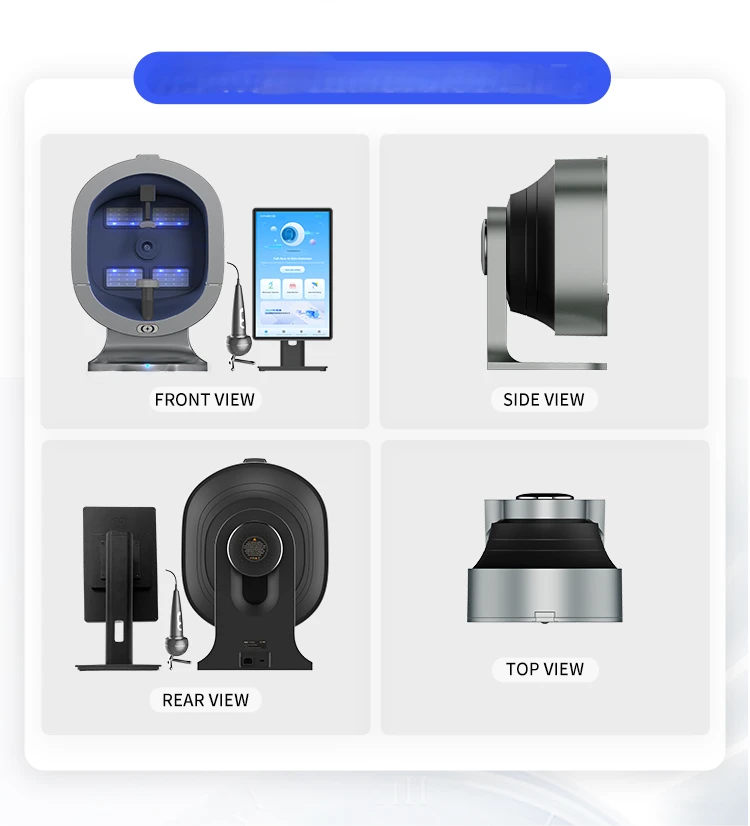
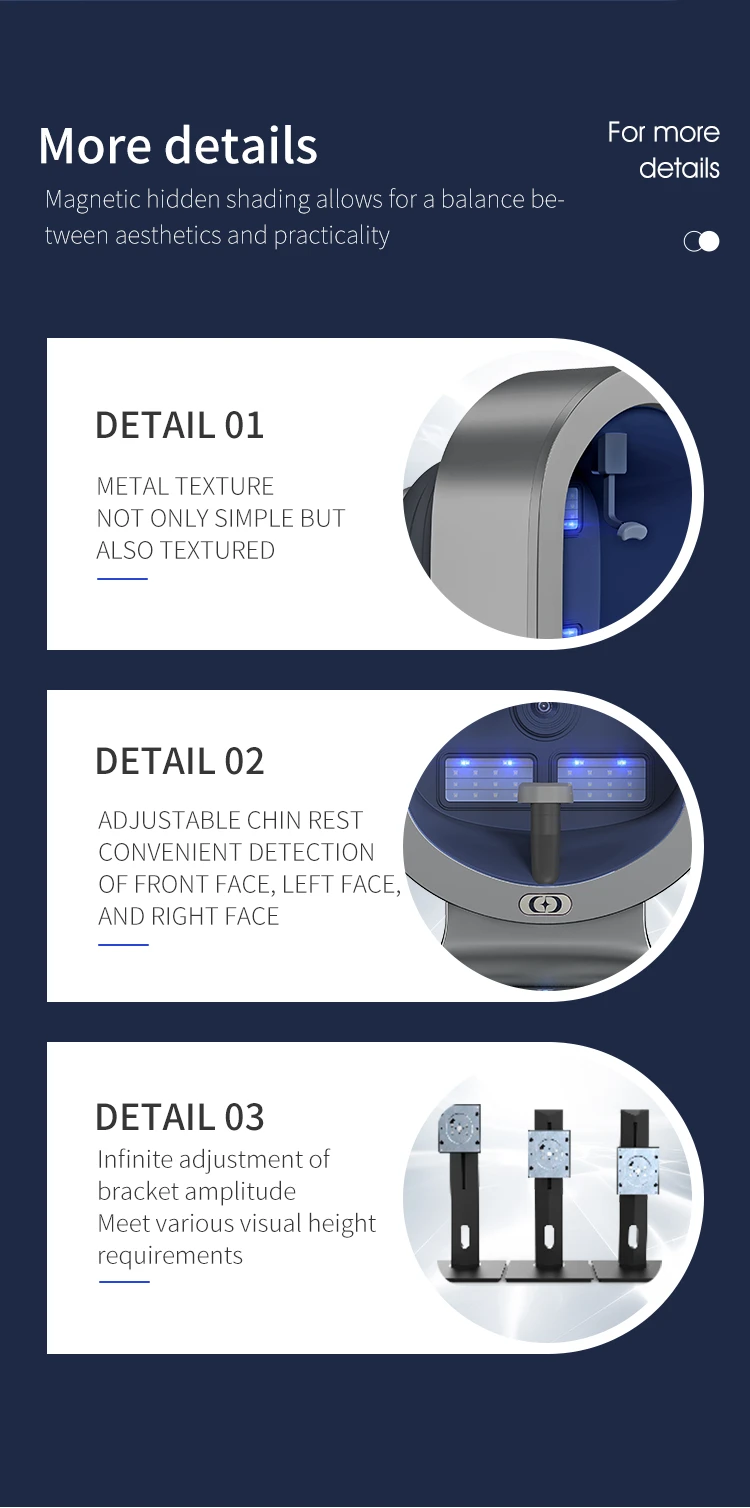
Ergonomic design for daily use. Magnetic hidden shading, adjustable chin rest, and infinite bracket height adjustment make the unit practical for different patient sizes and room layouts.
Cloud and remote capabilities. Images upload to cloud computing for analysis. Software updates and product recommendation changes can be managed remotely, which is useful for multi-site clinics and distributors.
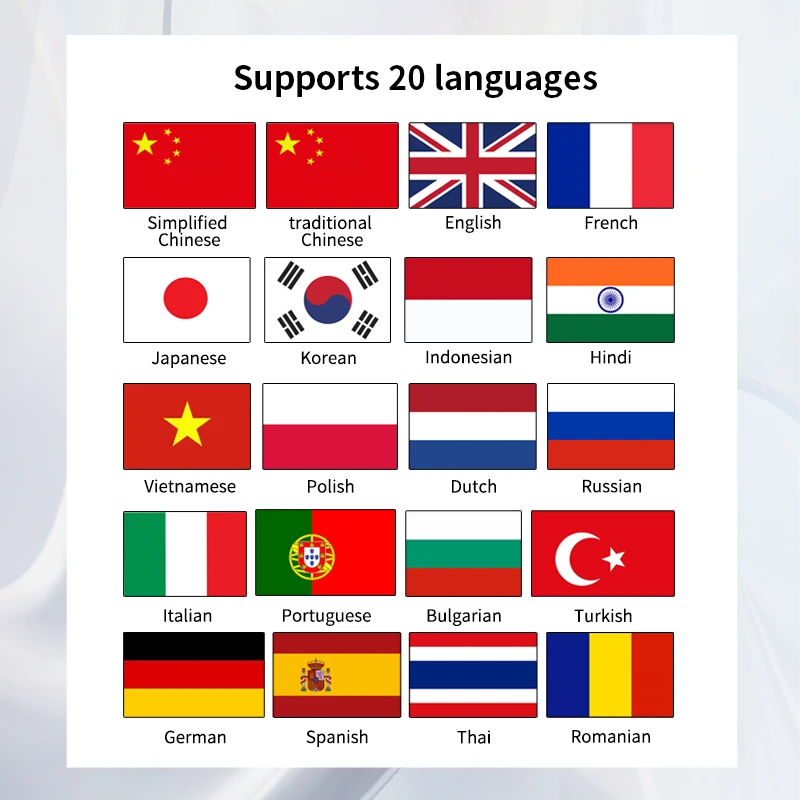
Customizable for OEM and ODM. Housing, logo, interface language, and software branding can be adapted. The free logo design service applies to qualified orders.
Technical Specifications
| Item | Detail |
|---|---|
| Imaging spectrum | Nine spectral modes |
| Light sources | White, crossed, directional, UV, Wu's, composite UV |
| Processor | Dedicated AI intelligent chip |
| Detection dimensions | Five (facial concerns, microflora, scalp, sunscreen, fluorescent agent) |
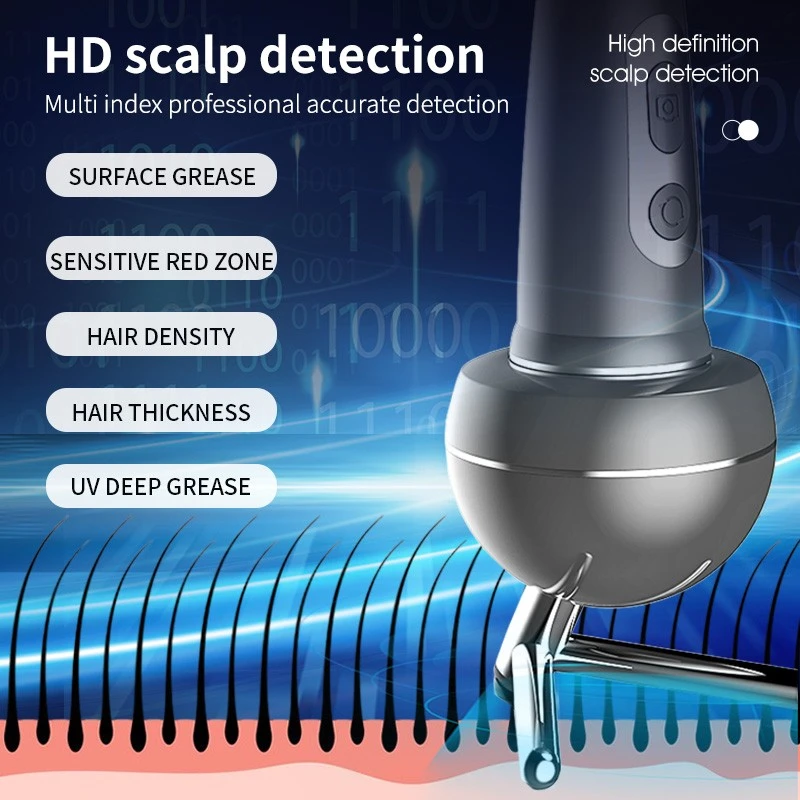
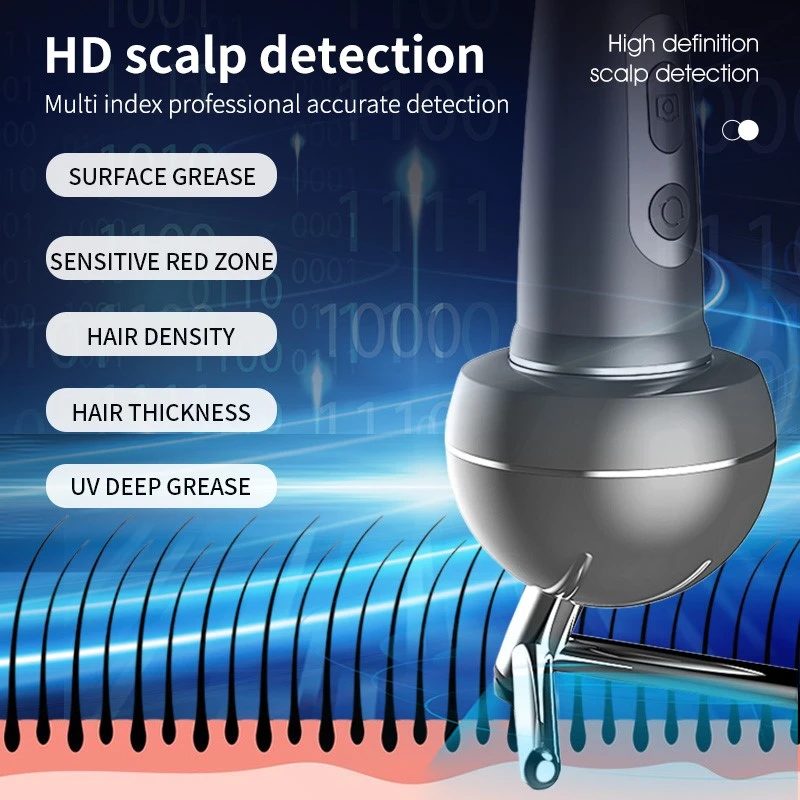
| Scalp metrics | Surface grease, sensitive red zone, hair density, hair thickness, UV deep grease |
| Facial parameters | Acne, blackheads, pores, sebum, oil, porphyrin, sensitivity (shallow and deep), spots, deep pigment, brown pigment, skin color, wrinkles, collagen, roughness, contour, fluorescent agent |
| Analysis outputs | RBX red chart, RBX brown chart, pigment lead diagram, sensitive heatmap, collagen fiber diagram |
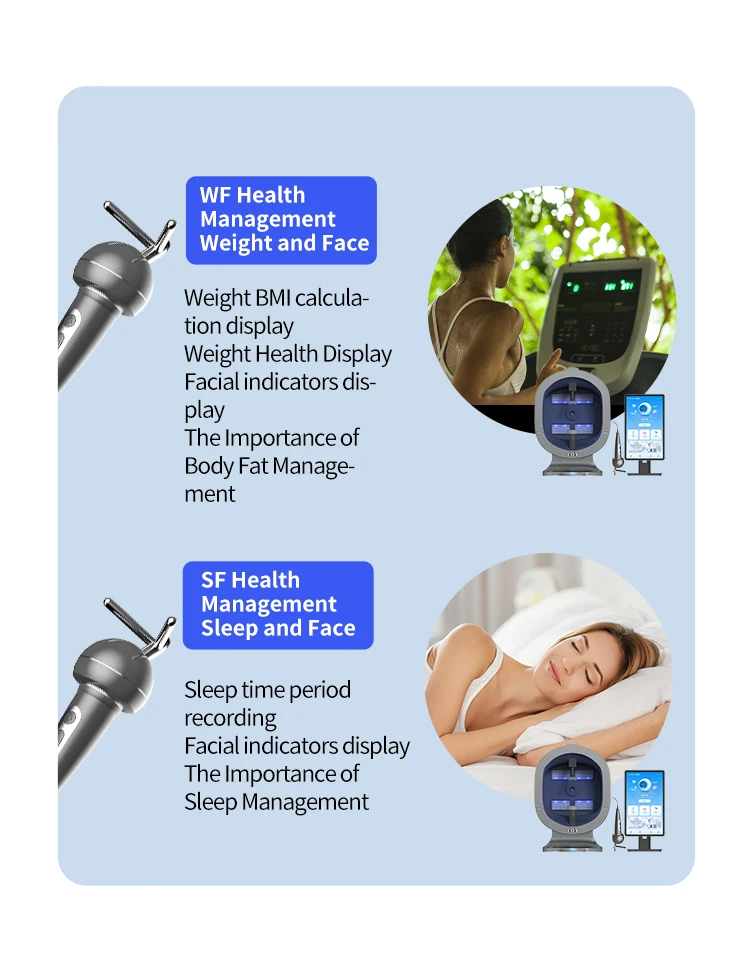
| Management modules | Weight and BMI display, sleep time recording, facial indicator display |
| 3D functions | Multi-angle shooting, simulation slicing, 360-degree view, texture heatmap |
| Data functions | Cloud computing, comparative analysis, product push, symptom and age statistics |
| Connectivity | WiFi and Bluetooth |
| Display | High-definition touchscreen |
| Power | AC 100–240V, 50/60Hz |
| Warranty | Two years |
| Certifications | CE, FDA, ISO |
Physical dimensions and screen size can be customized for OEM orders. Request a detailed specification sheet for your market.
Use Scenarios: Where This Platform Fits
Beauty salons. Use the analyzer at the front end of every facial consultation. Scan the client, review the report, and recommend a treatment series based on visible data. The product push feature suggests retail items that match the detected condition. Salons that adopt this workflow often see higher average ticket values because the recommendation feels evidence-based rather than sales-driven.
Medical spas. Position the scan as a premium consultation experience. The 3D simulation and heatmaps give clients a reason to choose your spa over a competitor that only offers a visual assessment. Progress tracking across a package keeps clients engaged and reduces dropout rates.
Dermatology practices. Add objective imaging to acne, melasma, rosacea, and scalp disorder consultations. The RBX charts and collagen fiber diagram provide documentation for patient records. Comparative analysis helps show treatment response over time, which is useful for both clinical decisions and patient communication.
Plastic surgery clinics. Use the system for pre-operative skin assessment and post-operative follow-up. Monitor healing, detect early complications, and document recovery progress. The sensitive heatmap and collagen diagram are particularly relevant for patients recovering from resurfacing or surgical procedures.
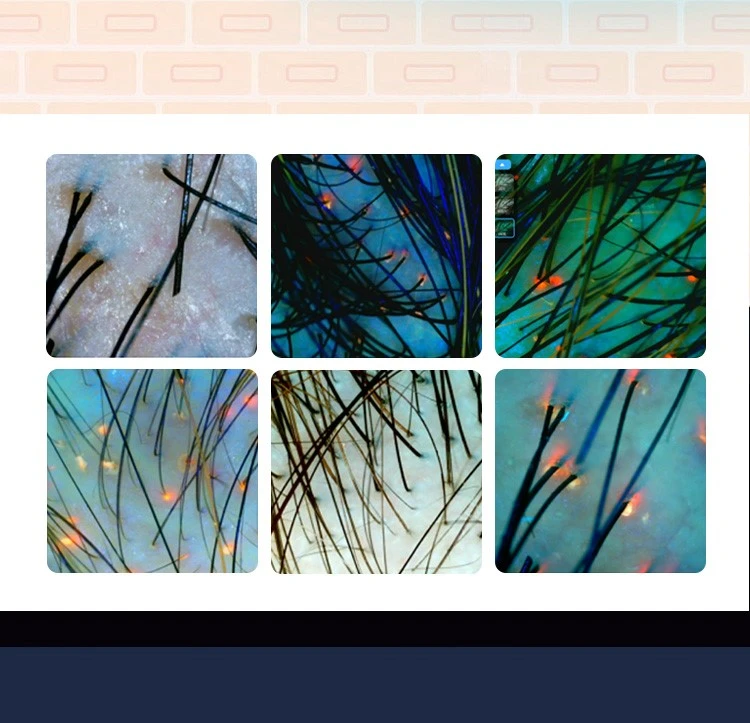
Scalp and hair restoration centers. The HD scalp module measures hair density, thickness, follicular blockage, and oiliness. Use it to recommend scalp treatments, laser therapy, or hair care regimens. Before-and-after scans give patients a clear reason to continue a multi-session program.
Distributors and training academies. The machine doubles as a demonstration and training tool. Retail partners can see how product recommendations are generated. Training centers can use the reports to teach skin analysis in a structured way. Remote management features support leased units across multiple locations.
Treatment Comparison: Before and After Analysis
The AI Skin and Hair Analyzer Machines do not perform the treatment. They measure what happens before, during, and after a treatment series. That measurement changes the patient conversation.
Before treatment. The first scan establishes a baseline. It documents hidden pigmentation, subclinical inflammation, collagen loss, and scalp conditions that the patient may not have noticed. The AI generates a report with recommended treatment parameters and product suggestions. The patient leaves the consultation with a printed or digital record of their skin condition.
During a treatment series. Follow-up scans show incremental changes. The RBX brown chart may show reduced melanin clustering. The sensitive heatmap may shift from yellow or red toward green or blue. The collagen fiber diagram may show improved density. These are not subjective claims. They are visual comparisons that the patient can see side by side.
After the series. Comparative analysis confirms the result. The clinic can use the data to recommend maintenance products or a long-term plan. Patients who see measurable improvement are more likely to book additional services and refer friends.
This before-and-after documentation also supports marketing. With patient consent, clinics can use anonymized comparison images in social media posts, brochures, and website case studies. The data makes the result credible.
Customer Reviews and Cooperation Cases
A dermatology clinic in Canada integrated the platform into its acne and pigmentation consultations. The clinical team reported that patients ask fewer skeptical questions when they can see the RBX charts and heatmaps. The clinic now uses the analyzer as a standard part of every initial consultation and follow-up visit.
A medical spa in Saudi Arabia uses the 3D simulation and 360-degree view as a premium consultation experience. The owner said the machine helped increase retail product sales because the product push feature recommends items based on the scan rather than staff preference. Clients often request a copy of the report to take home.
A hair restoration center in Singapore added the scalp module to its service menu. The center uses hair density and thickness measurements to track progress across a six-month program. Patients receive printed reports at each visit. The center reports better adherence to treatment plans and higher satisfaction scores.
A beauty salon group in Spain uses the analyzer across three locations. The cloud system allows the owner to review consultation data remotely and adjust product recommendations for each site. New staff learn the consultation process faster because the AI suggests parameters and the report format is standardized.
These accounts are composites based on typical Benomi customer profiles. Individual results vary by patient population, treatment protocol, and operator technique.
Factory Strength and Certifications
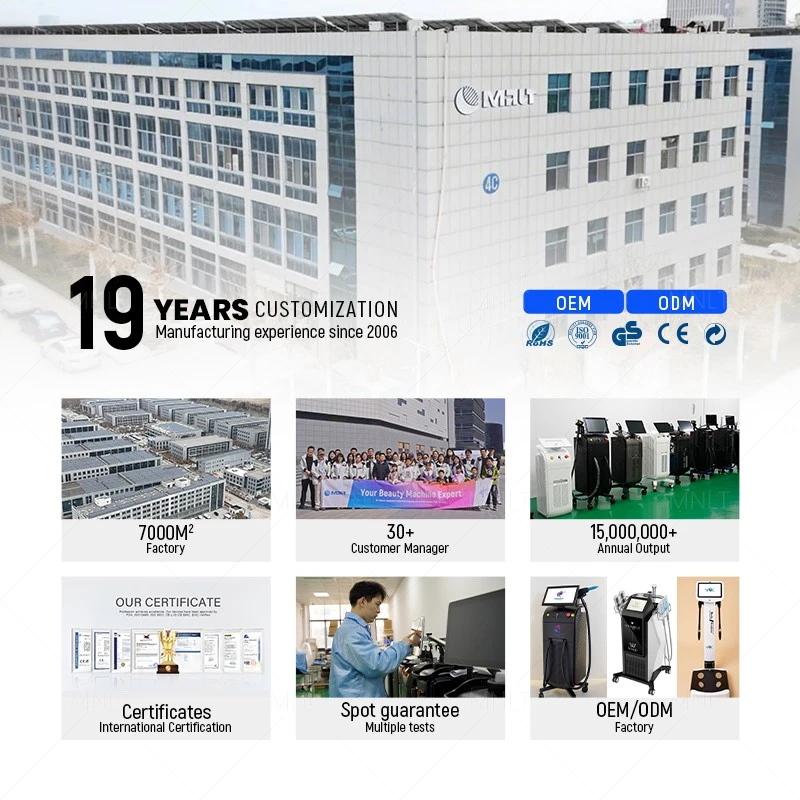
Weifang Benomi Electronic Technology Co., Ltd. is based in Weifang, Shandong Province, China. The company has spent more than 18 years in the research, development, production, and service of professional aesthetic equipment. Its manufacturing facility includes an international-standard dust-free workshop. Dust-free assembly is uncommon in this industry. It requires investment in air filtration and environmental controls that directly affect contamination risk and long-term reliability of photoelectric instruments.
Benomi holds ISO, CE, and FDA certifications and is Intertek certified. Quality inspection procedures and operating specifications are documented and followed at each production stage. Certificate copies are available for review during the inquiry process.
The company supports OEM and ODM development. Custom housing, interface language, software branding, and logo design are available. Qualified orders receive a free logo design service. The engineering team can adapt the platform to different market requirements, including local language support and region-specific product recommendation libraries.
Every machine undergoes pre-shipment testing with video documentation. Installation and operation training are provided remotely. The modular design simplifies diagnosis and part replacement. Professional engineers respond within 24 hours. The warranty covers two years, with free spare parts during the warranty period and lifelong maintenance support.
Wholesale Policy
| Item | Policy |
|---|---|
| Minimum order | One unit for sample evaluation; three to five units for distributor pricing |
| OEM and ODM | Available. Custom housing, logo, language, and software branding. Free logo design for qualified orders. |
| Production time | 7–12 working days for standard configuration; 15–20 working days for customized orders |
| Shipping methods | Express couriers for samples; air or sea freight for bulk orders |
| Payment terms | T/T, Western Union, or negotiated terms for established distributors |
| Packaging | Aluminum flight case with foam lining for long-distance transport |
| Warranty | Two years, with lifelong maintenance |
| After-sales | 24-hour engineer response; free spare parts during warranty; remote training and installation support |

Frequently Asked Questions
Q: How does this machine differ from a standard skin scanner?
A: Standard scanners usually capture one or two light modes and produce a simple image. This platform uses nine spectral modes, including Wu's light and composite UV, plus RBX processing, 3D simulation, and AI-driven product recommendations. It is a consultation and tracking system, not just a camera.
Q: Can it be used for scalp and hair analysis only?
A: Yes. The scalp module works independently. Clinics that focus on hair restoration can use the HD scalp detection without running the facial modules. The system measures surface grease, sensitive red zones, hair density, hair thickness, and UV deep grease.
Q: Does the machine require an internet connection?
A: Cloud analysis requires WiFi. The system can capture and store images locally, but the AI quantitative analysis and remote management features work best with an internet connection. Bluetooth is available for peripheral connections.
Q: What kind of reports does it produce?
A: Reports include RBX red and brown charts, pigment lead diagrams, sensitive heatmaps, collagen fiber diagrams, scalp index measurements, and product recommendations. Reports can be printed or saved digitally for patient records.
Q: How long does a full scan take?
A: A complete facial and scalp scan typically takes a few minutes. The exact time depends on how many angles the operator captures. Most clinics complete the scan and report review within a standard consultation slot.
Q: Can I add my own product recommendations?
A: Yes. The product push library is customizable. Clinics and distributors can load their own skincare or treatment brands and set recommendations based on detected conditions.
Q: What training is included?
A: We provide operation manuals, video tutorials, and remote training. Most operators become comfortable with the system within a few hours. No advanced technical background is required.
Q: Is the software updated?
A: Yes. Software updates can be delivered remotely. The Android-based platform supports app installation and future feature additions.
Q: What are the power requirements?
A: The system runs on AC 100–240V, 50/60Hz. It works in standard clinic environments without special electrical setup.
Q: How do I request a quotation or arrange a sample order?
A: Send us a message with your clinic type, country, and estimated monthly patient volume. We will reply with pricing, a sample report, and a short demonstration video. Our team responds within one business day.
Request Pricing and a Sample Report
Tell us about your practice and what you want to achieve with skin and scalp analysis. We will send a detailed quotation, specification sheet, and a sample report generated by the AI Skin and Hair Analyzer Machines.
Weifang Benomi Electronic Technology Co., Ltd.
Weifang, Shandong, China
More than 18 years in professional aesthetic equipment manufacturing
[Send Inquiry] - Include your location and target quantity for a faster response.
Hot Tags: al skin and hair analyzer machinesal skin and hair analyzer machine, China al skin and hair analyzer machinesal skin and hair analyzer machine manufacturers, factory
Previous
No InformationSend Inquiry