


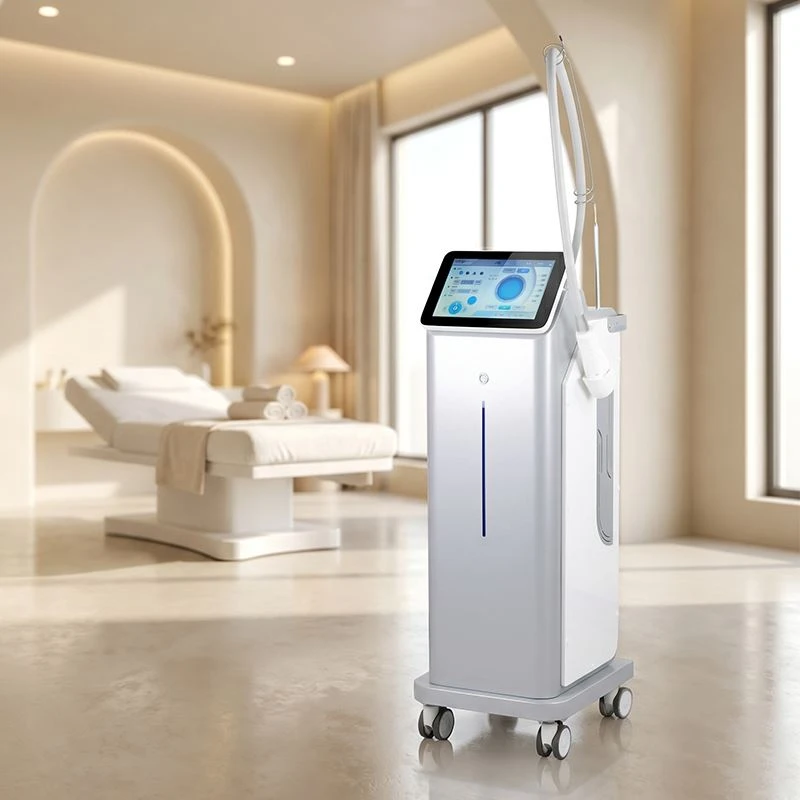

1927nm Thulium Laser: A Fractional Platform For Pigment Correction, Texture, And Early Aging
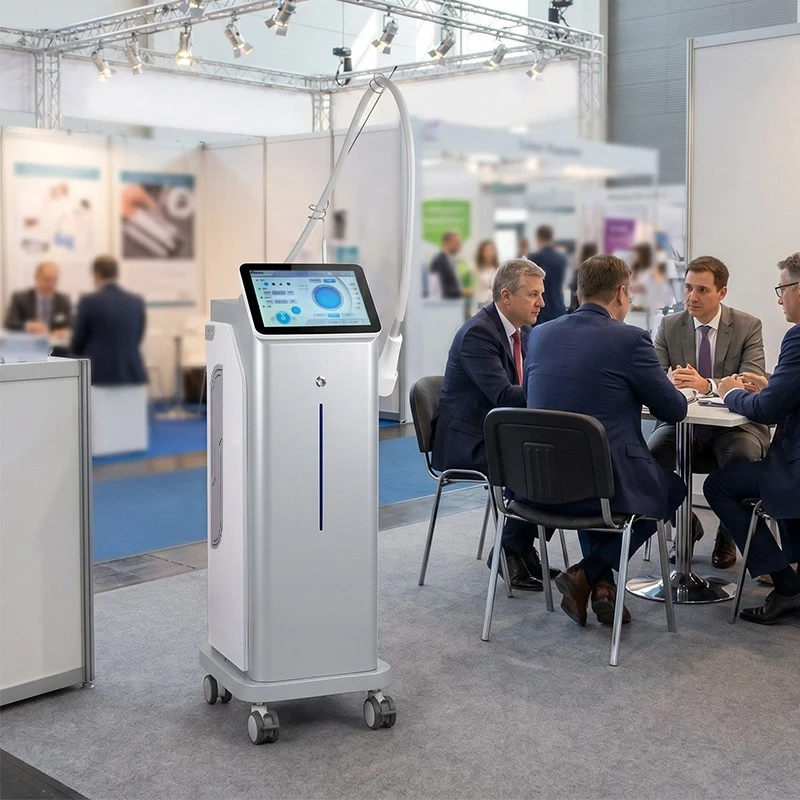
1927nm Thulium Laser: A Fractional Platform For Pigment Correction, Texture, And Early Aging suppliers
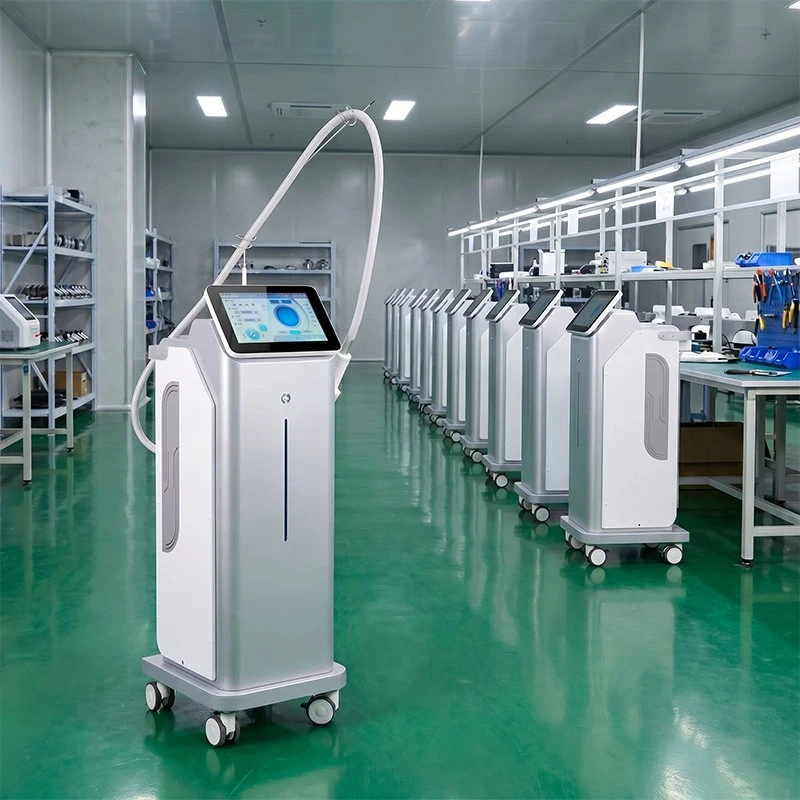
1927nm Thulium Laser: A Fractional Platform For Pigment Correction, Texture, And Early Aging factory
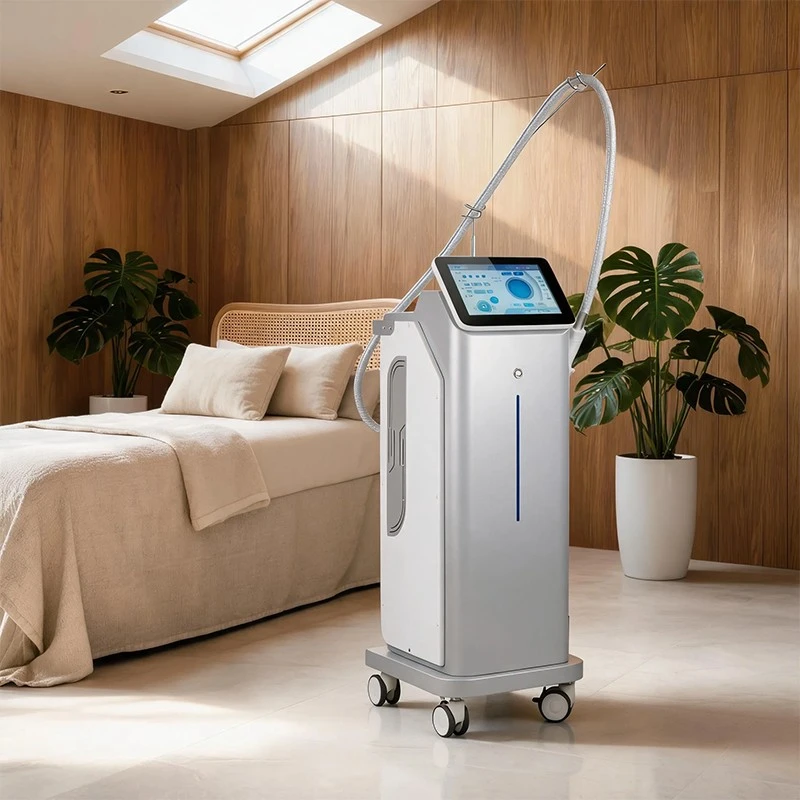
1927nm Thulium Laser: A Fractional Platform For Pigment Correction, Texture, And Early Aging best
1927nm Thulium Laser: A Fractional Platform For Pigment Correction, Texture, And Early Aging high quality
1927nm Thulium Laser: A Fractional Platform For Pigment Correction, Texture, And Early Aging price
1927nm Thulium Laser: A Fractional Platform For Pigment Correction, Texture, And Early Aging suppliers
1927nm Thulium Laser: A Fractional Platform For Pigment Correction, Texture, And Early Aging suppliers
1927nm Thulium Laser: A Fractional Platform For Pigment Correction, Texture, And Early Aging
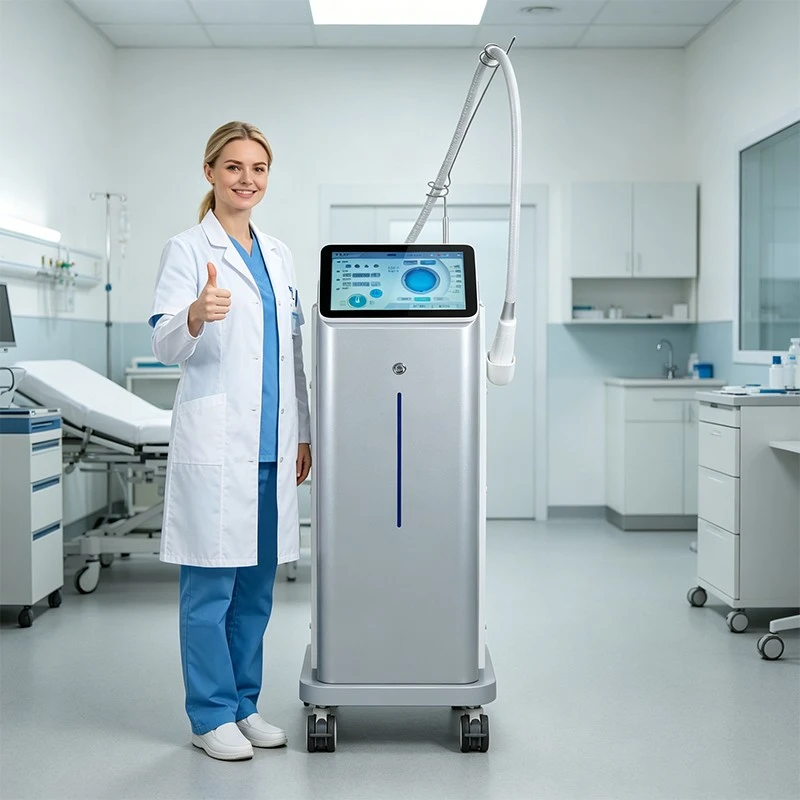
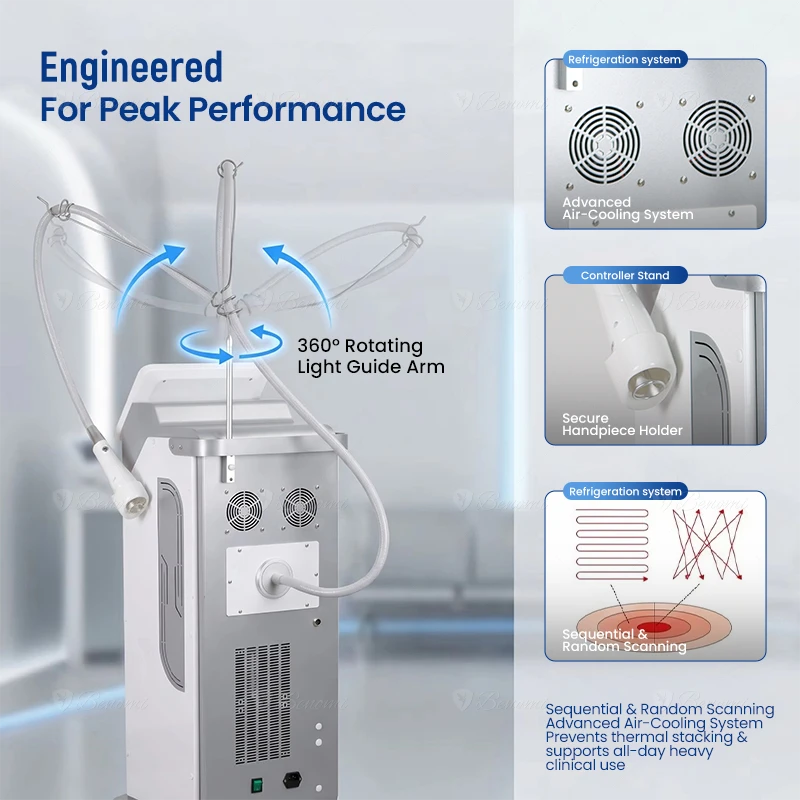
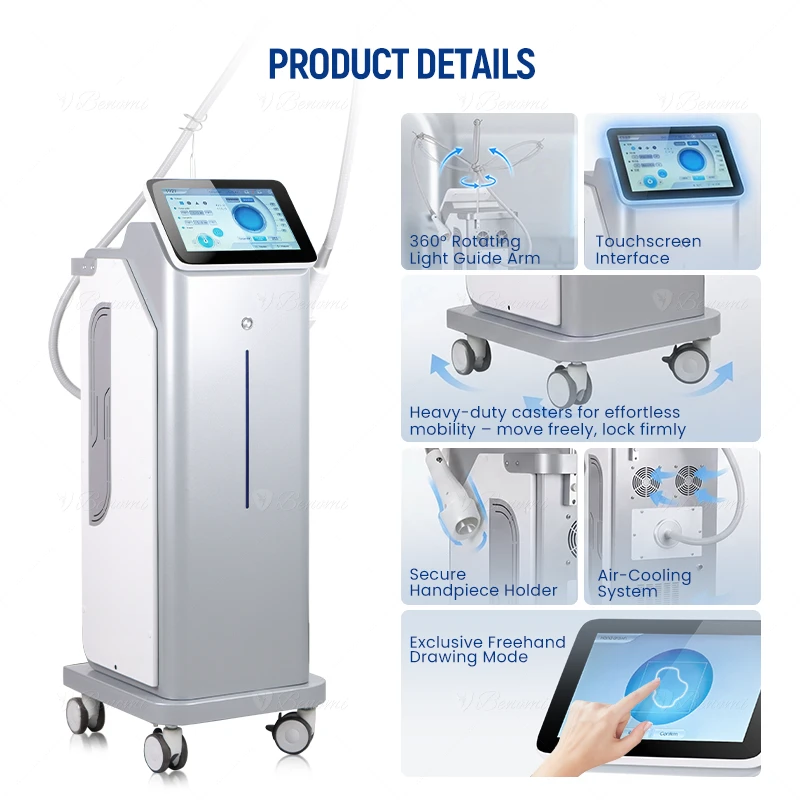
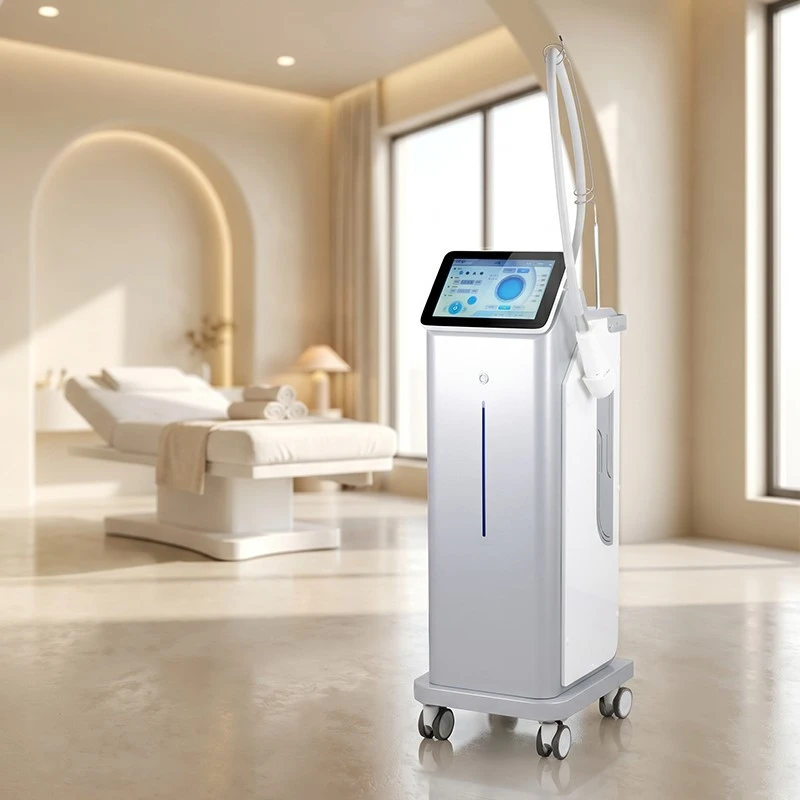
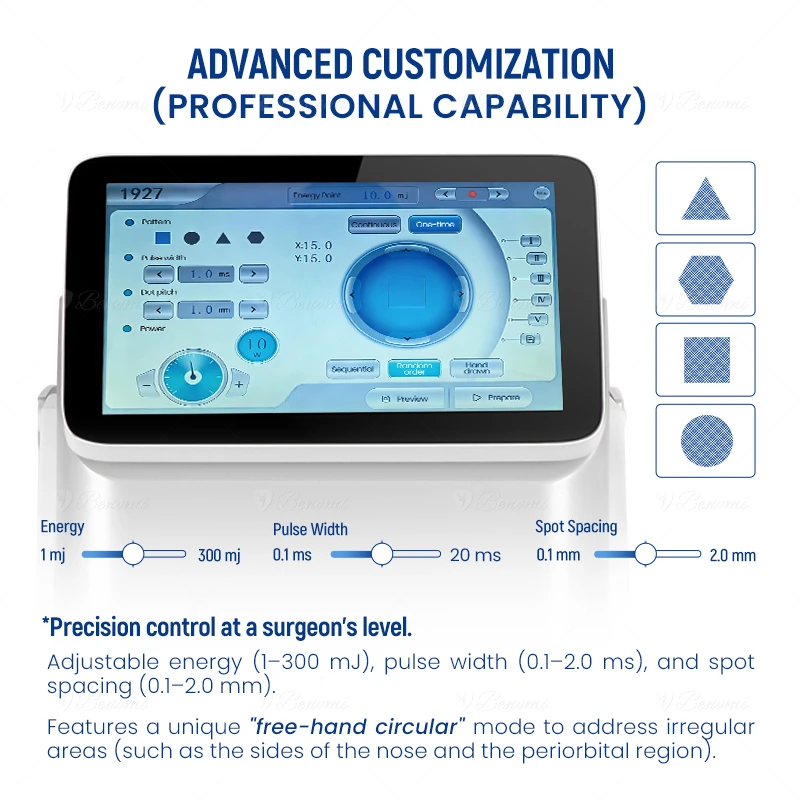
Highly Adjustable and Versatile: Energy, pulse duration, and spot spacing are fully adjustable. The system features built-in geometric patterns alongside a freehand drawing mode, while the 360° rotating articulated arm allows for precise treatment of delicate areas such as the skin around the eyes and the sides of the nose.
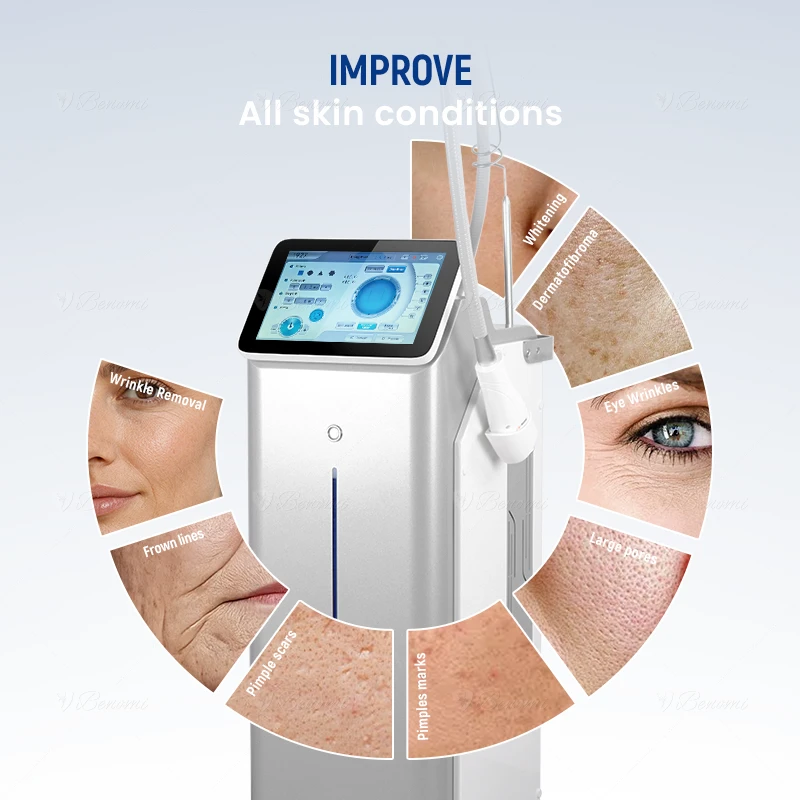
Multifunctional and Durable for Commercial Use: A comprehensive solution covering pigmentation, skin texture, anti-aging, and scar revision. Equipped with a dual-fan cooling system to support high-frequency use, it also features a 12-inch touchscreen and lockable universal wheels for convenient operation.
Description
Technical Parameters
Pigment work is where clinics lose money quietly. A patient books for melasma or post-acne marks, the treatment is either too gentle to change anything or too aggressive and leaves them with more pigment than they started with. The margin between those two outcomes is narrow, and it widens or narrows depending on the wavelength, the depth control, and how much heat the epidermis absorbs on the way in.
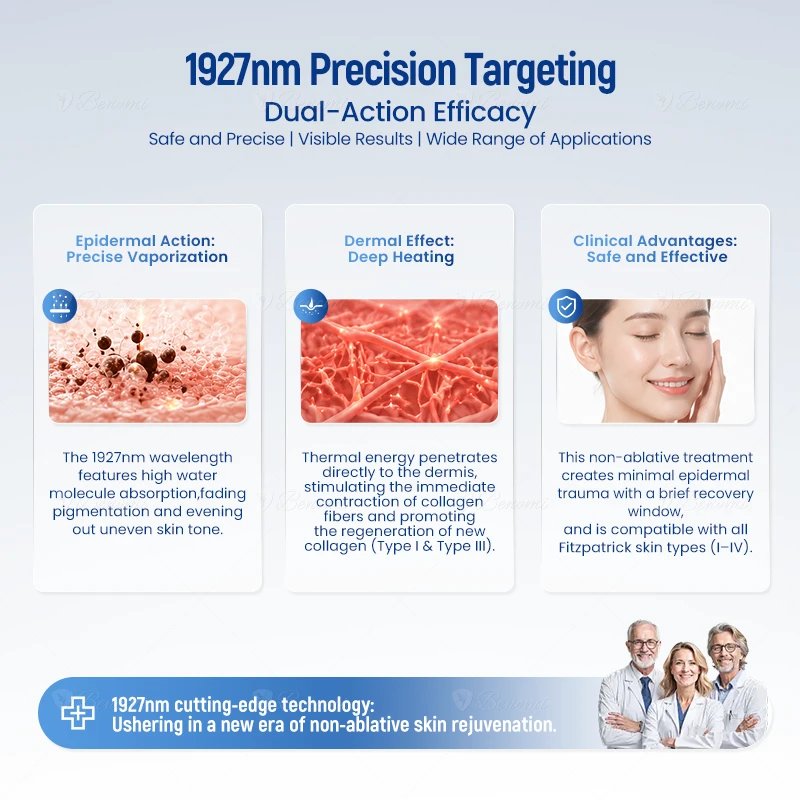
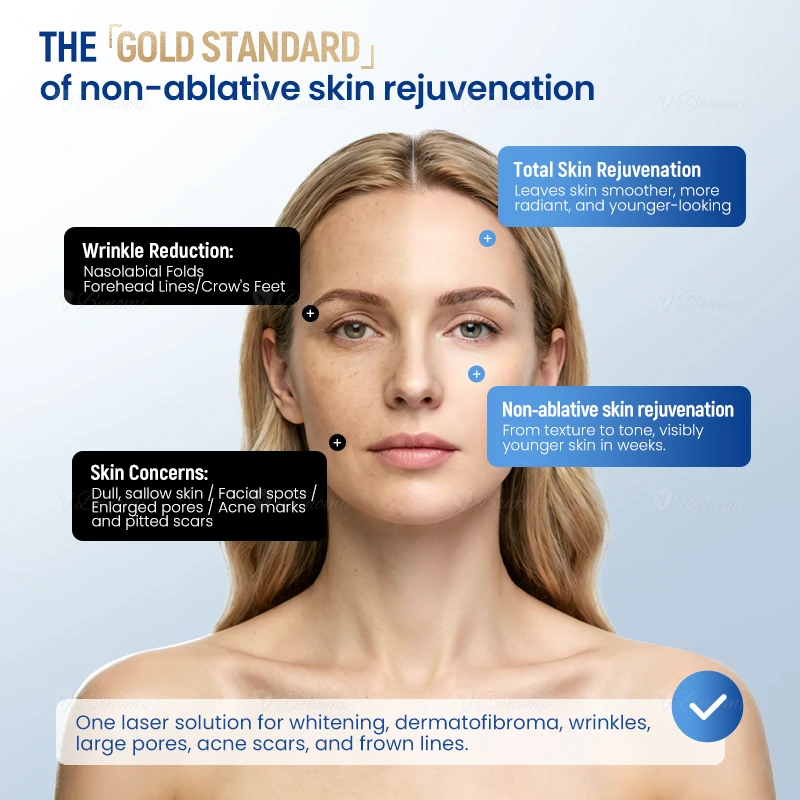
The 1927nm Thulium Laser sits in that narrow band deliberately. Thulium's emission sits close to a strong water absorption peak, which keeps the energy shallow and the epidermal load predictable. The result is a resurfacing platform that produces visible pigment clearance and texture improvement without the week-long recovery that CO₂ resurfacing demands - and with a parameter set broad enough that a clinic can dial it from a conservative epidermal pass to a more aggressive micro-ablative one.
Product Introduction: Core Function and Technical Explanation
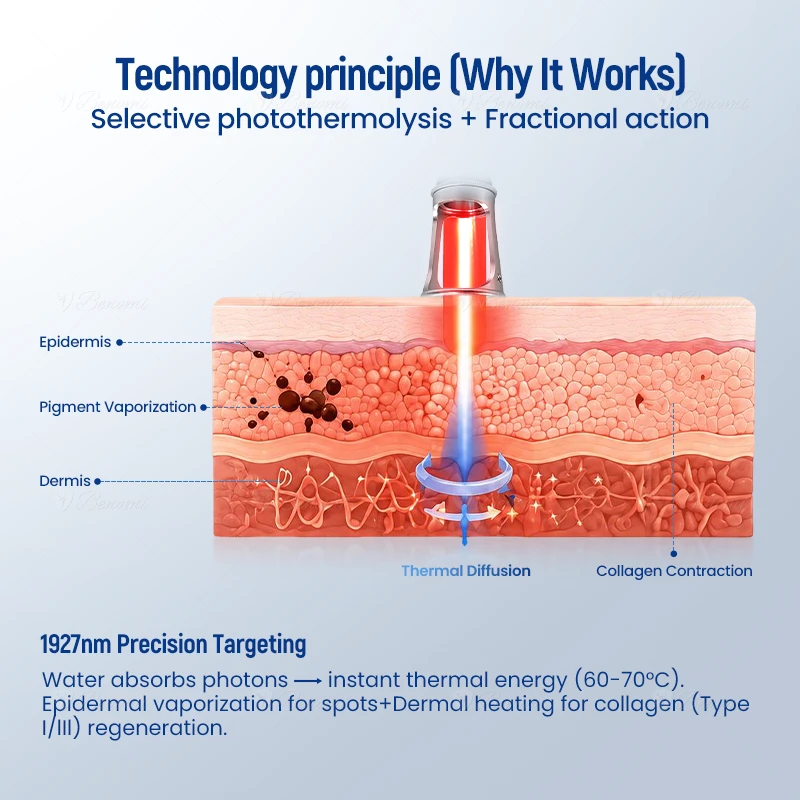
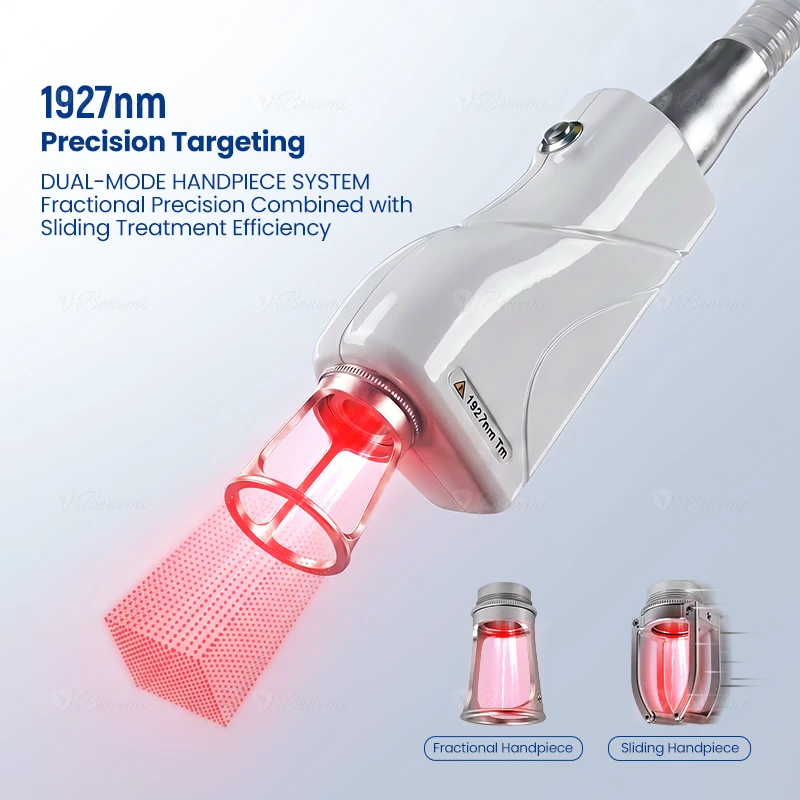
The system emits at 1927nm from a thulium-doped gain medium. Water in tissue absorbs this wavelength strongly, which is the entire basis for how it behaves: energy deposits in the upper layers, converts to heat quickly, and does not travel far.
The four-stage sequence. When a fractional pulse lands, four things happen in order.
Energy converts to heat at the target site, with local temperature rising to roughly 60–70°C. The stratum corneum and pigmented keratinocytes at the surface vaporise, which is the micro-ablative component - pigment particles are shed rather than merely heated. Heat conducts into the superficial dermis, where existing collagen fibres contract, producing tightening that patients can feel and see on the day. And the controlled thermal injury activates fibroblasts, which lay down new type I and III collagen over the following weeks and months.
Why the depth profile matters clinically. Because 1927nm is absorbed so efficiently by water, coagulation depth typically stays under 0.3mm. That is deeper than a purely non-ablative 1550nm pass in terms of epidermal effect, but far shallower than CO₂. Practically, it means the operator gets real epidermal resurfacing without bulk heating of the reticular dermis - which is what drives the post-inflammatory hyperpigmentation risk that makes darker skin tones difficult on more aggressive platforms.
Where this sits relative to other fractional devices. A 1550nm non-ablative system goes deeper and addresses more severe photodamage and scarring, with essentially no downtime and weaker pigment clearance. A fractional CO₂ ablates and remodels profoundly, with a week or more of recovery and a much tighter skin-type restriction. The thulium platform occupies the space between: meaningful pigment and texture results, two to four days of visible micro-crusting, and a broader tolerance across skin types.
A discrepancy buyers should resolve directly. The manufacturer positions the device for Fitzpatrick I–IV, but the contraindication list explicitly prohibits fractional mode on deep skin tones, citing high pigmentation risk. Those two statements are not fully compatible. Clinics should ask the supplier, in writing, which Fitzpatrick types the fractional handpiece is cleared for in their market, and set their own screening policy accordingly rather than relying on the marketing claim.
The freehand mode. Standard geometric scan patterns cover most of the face, but the nasal alae, periorbital rim, and upper lip border do not fit a square or hexagon. The touchscreen allows the operator to draw the treatment boundary directly, save the shape, and reuse it across sessions. On a course of four treatments, that saves several minutes per appointment and keeps energy off the areas where it should not go.
Product Advantages
Shallow, controlled coagulation depth. Water absorption keeps the thermal effect in the epidermis and superficial dermis, which limits bulk heating and reduces the pigmentation risk that constrains deeper resurfacing platforms.
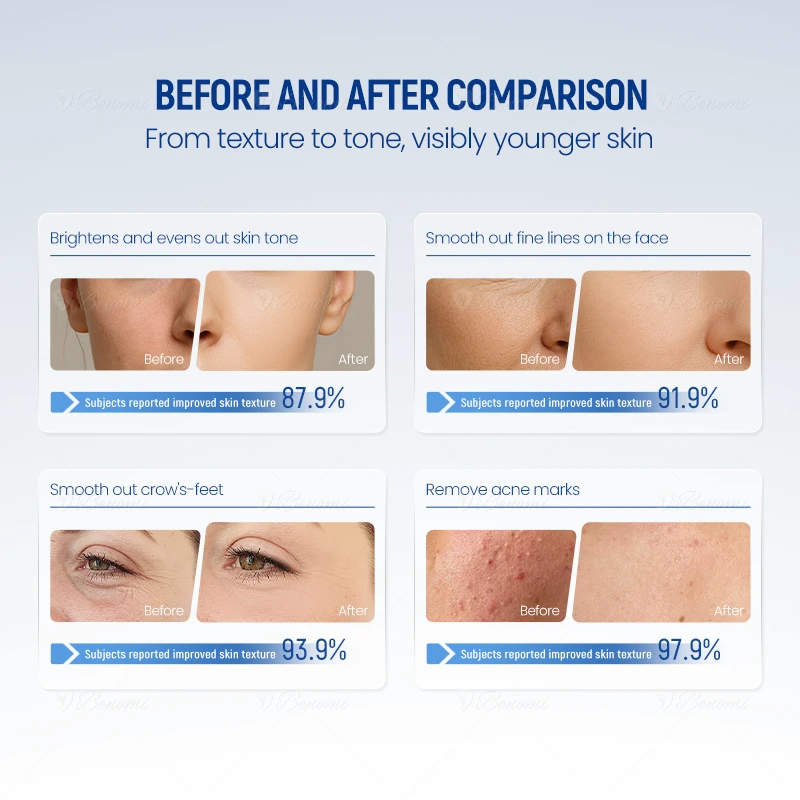
Pigment clearance and texture improvement in one pass. The micro-ablative component sheds pigmented keratinocytes; the dermal component stimulates collagen. Clinics do not have to sequence two devices to address tone and texture together.
Full parameter control across energy, pulse width, and dot pitch. Energy spans 1–300mJ, pulse width 0.1–20ms, dot pitch 0.1–2.0mm. That range allows a conservative pass for a first-time or sensitive patient and a more aggressive setting for scarring, on the same machine.
Immediate and cumulative effects. Collagen contraction gives tightening at the end of the session; new collagen deposition continues for weeks. Patients see something on the day and something better later, which supports course adherence.
Freehand drawing mode for irregular anatomy. The touchscreen lets the operator define a treatment boundary around the nose, eyes, or lip, save it, and repeat it. Standard shapes cannot do this.
Two handpieces for different treatment styles. A fractional tip for stamped, pattern-based delivery and a sliding tip for broader passes across the cheeks and forehead.
360° articulated arm. The delivery arm rotates through a full circle, so the handpiece reaches the neck, jawline, and temporal region without the operator contorting around a fixed arm.
Dual-fan air cooling for continuous use. The cooling system is specified for sustained operation rather than intermittent sessions, which matters in a clinic running a full appointment book.
Sequential and random scan modes. Random delivery avoids stacking adjacent pulses, which reduces the risk of confluent thermal injury on a single pass - a useful safety feature for operators still building technique.
Mobile chassis with locking casters. The 54.5kg unit moves between treatment rooms on silent castors and locks in place for treatment. No dedicated room is required.
12-inch touchscreen with a short workflow. Pattern, pulse width, dot pitch, power, and pattern size are all on the main screen. The treatment sequence is five steps, and new operators reach competence quickly.
OEM and ODM through Benomi. Branding, interface language, and packaging can be adapted. Qualified orders receive a free logo design service.
Technical Specifications
| Parameter | Specification |
|---|---|
| Laser wavelength | 1927nm |
| Gain medium | Thulium-doped |
| Total machine power | 600W |
| Laser output power | 20W |
| Base spot size | 0.1mm |
| Energy range | 1mJ – 300mJ |
| Pulse width | 0.1ms – 20ms |
| Dot pitch | 0.1mm – 2.0mm |
| Scan modes | Sequential, random |
| Pulse modes | Fractional pulse, super pulse |
| Built-in patterns | Triangle, square, rectangle, circle, hexagon, plus freehand drawing |
| Display | 12-inch touchscreen |
| Cooling | Dual-fan air cooling |
| Power supply | AC220V ±10%, 50Hz |
| Dimensions | 81 × 55 × 126 cm |
| Net weight | 54.5 kg |
| Chassis | Locking silent casters |
| Delivery arm | 360° rotating articulated arm |
| Handpieces | Fractional tip, sliding tip |
| Included accessories | 2 handle holders, 2 treatment tips, 1 foot pedal, 1 power cord |
| Warranty | 2 years on orders placed through Benomi; confirm at quotation |
| Certifications | ISO, CE, and FDA documentation available; confirm local classification |
| Indication | Pulse width | Dot pitch |
|---|---|---|
| Brightening and skin quality | 0.8 – 1.0ms | 0.8mm |
| Epidermal pigmentation | Approximately 1.5ms | 0.3mm |
| Dermal pigmentation | 1.0 – 1.2ms | 0.6mm |
| Resurfacing and pore refinement | Approximately 1.0ms | 0.7mm |
| Post-acne marks | 1.0ms | 0.7mm |
| Atrophic scars, baseline wrinkle work | 1.5 – 2.0ms | 0.6 – 0.7mm |
| Crow's feet, nasolabial folds | Approximately 2.5ms | 0.6mm |
Use Scenarios: Where This Platform Fits
Aesthetic clinics and skin practices. The primary caseload is pigment irregularity, dullness, pore size, and early photoaging. The platform handles all four without requiring a second device, and the shallow depth profile suits the working professional who cannot accommodate a week of recovery.
Medical spas. The immediate tightening effect and the short crusting phase make this a saleable package treatment. Clinics can position it as a middle tier between a gentle facial and a full resurfacing course.
Acne and scarring practices. Atrophic acne scars and textural irregularities respond to the more aggressive pulse width and dot pitch settings. Clinics typically run a series and combine with subcision or microneedling RF for tethered scars.
Pigment-focused clinics. Epidermal pigmentation, post-inflammatory marks, and dermal pigment are all within the parameter set. Melasma requires caution - low energy, longer intervals, and a clear conversation about the risk of rebound - but it is a common off-label use in experienced hands.
Periorbital and perioral work. The freehand mode and the shallow depth profile allow treatment close to the orbital rim and lip border, where standard scan shapes would overlap onto delicate tissue.
Clinics with limited space. The 54.5kg chassis with locking castors and a rotating arm fits into a shared treatment room without a dedicated installation.
Commonly supported programs:
Benign pigmented lesions and epidermal/dermal pigment
Post-acne marks and uneven tone
Dullness and general skin brightening
Enlarged pores and rough texture
Fine lines and early laxity
Atrophic acne scars and textural irregularities
Periorbital and perioral rejuvenation
Dermatofibroma (per the manufacturer's indication list)
Treatment Comparison: What Patients Should Expect
Before the session. Topical anaesthetic is applied for 30 to 45 minutes. The area is cleansed, the treatment boundary is set on screen using a standard pattern or the freehand tool, and eye protection is fitted for both patient and operator.
During the session. The handpiece stamps the pattern across the area. Most patients describe a warm prickling sensation with an occasional sharper snap at higher energy. The 12-inch screen shows the active pattern, pulse width, and dot pitch, so the operator can adjust without leaving the treatment position.
Immediately after. The treated area is red and warm, with a fine pattern of micro-crusting visible within hours. Swelling is modest but real, particularly around the eyes. A medical cooling mask is applied at the end of the session.
Days one to three. Redness persists and the micro-crusts darken. Patients should keep the area dry for 48 hours, apply a tranexamic acid ointment as directed, and avoid makeup. Most can return to work with light cover on day two or three, but social downtime of two to four days is realistic and should be stated at consultation rather than discovered afterwards.
Days four to seven. Crusts shed naturally - picking them off is the most reliable way to produce a scar or a pigment spot, and patients should be told this plainly. Skin beneath looks brighter and more even.
Weeks three to twelve. Collagen remodeling continues. Pore size and texture improve progressively, and pigment continues to clear. Assessment at three months is more meaningful than assessment at two weeks.
Across a course. Pigment protocols typically run three to four sessions spaced four to six weeks apart. Scarring and texture protocols often require four to six. Maintenance sessions at longer intervals sustain the result.
Compared with 1550nm non-ablative. The 1550nm wavelength penetrates deeper and is better suited to severe photodamage and deeper scarring, with essentially no downtime. The 1927nm platform delivers stronger pigment clearance and more visible texture change, at the cost of a few days of crusting.
Compared with fractional CO₂. CO₂ remains the stronger tool for profound resurfacing and severe scarring. It also carries a longer recovery, a stricter skin-type limitation, and a higher risk of post-inflammatory hyperpigmentation. Clinics that run both typically use thulium for maintenance and pigment, and CO₂ for structural scarring.
Compared with topical pigment regimens. Topicals depend on daily adherence, which most patients struggle to sustain. A clinic-delivered fractional course gives the practitioner direct control over delivery, and it pairs well with a simplified home routine rather than replacing it.
Customer Feedback and Cooperation Cases
A skin clinic in Australia uses the platform as its first-line pigment device. The clinical lead reported that the freehand mode solved a recurring problem with nasal alae and upper lip borders, where standard square patterns had previously overlapped onto delicate tissue. The clinic runs a three-session pigment package with a review at twelve weeks.
A medical spa in the United Arab Emirates positioned the platform between its facial menu and its resurfacing course. The owner noted that the two-to-three-day crusting phase was easier to sell than a full ablative recovery, and that the immediate tightening gave clients a reason to rebook.
A dermatology-adjacent practice in South Korea uses the sliding handpiece for broad cheek and forehead passes and the fractional tip for scarring. The practitioners reported that random scan mode reduced the confluent redness they had seen with sequential delivery on a single pass, particularly at higher dot densities.
A clinic in Spain cited the parameter range as the deciding factor when comparing suppliers. The team could run a conservative first session on a nervous patient and a more aggressive protocol on a scarred abdomen using the same machine, which simplified both training and equipment planning.
Factory Strength and Certifications
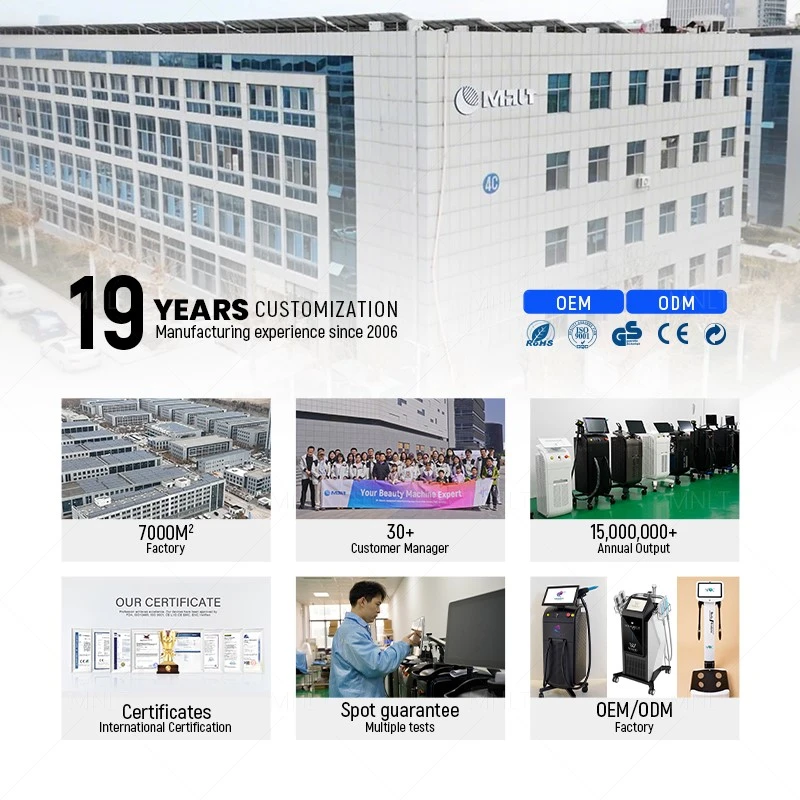
Weifang Benomi Electronic Technology Co., Ltd. is based in Weifang, Shandong Province, China, with more than 18 years in the research, development, production, and service of professional aesthetic equipment. The production facility includes an international-standard dust-free workshop, which requires investment in air filtration and environmental control and is uncommon in this equipment category.
Benomi holds ISO, CE, and FDA certification documentation across its product range. Inspection procedures and operating specifications are documented and followed at each production stage. Certificate copies are available during the inquiry process. Buyers should confirm the regulatory classification of fractional laser equipment in their own market and the permitted wording for pigment and scar claims before launch.
OEM and ODM development is supported. Custom logo, interface language, housing branding, and packaging can be adapted. Qualified orders receive a free logo design service, and the engineering team handles voltage configuration and plug types for specific markets.
Every unit is tested before shipment with video documentation. Installation guidance and operator training are handled remotely, covering pattern selection, freehand mode, pulse width and dot pitch pairing, scan mode selection, and the post-treatment protocol. Engineers respond within 24 hours, and warranty terms are confirmed at quotation. Orders placed through Benomi carry a two-year warranty with lifelong maintenance support.
Wholesale Policy
| Item | Policy |
|---|---|
| Minimum order | One unit for evaluation; tiered distributor pricing from three units |
| OEM and ODM | Available. Custom logo, interface language, housing branding, and packaging. Free logo design for qualified orders. |
| Production time | 7–12 working days standard; 15–20 working days for customized builds |
| Shipping | Express couriers for single units; air or sea freight for volume orders |
| Payment | T/T, Western Union, or negotiated terms for established distributors |
| Packaging | Aluminum flight case with foam lining; handpieces and tips packed separately |
| Warranty | Two years on orders placed through Benomi; confirm details at quotation |
| After-sales | 24-hour engineer response; remote training; spare parts and replacement tips available |
| Documentation | User manual, parameter guide, aftercare protocol, contraindication checklist, certification copies, and test report included |

Frequently Asked Questions
Q: What actually distinguishes 1927nm thulium from 1550nm and CO₂?
A: Depth and intensity. The 1550nm wavelength penetrates deeper and produces subtler, slower results with essentially no downtime. The 1927nm thulium is absorbed more strongly by water, so its effect stays shallow - epidermis and superficial dermis - producing real pigment clearance and texture change with two to four days of crusting. CO₂ ablates far more deeply, with a week or more of recovery and a much tighter skin-type restriction.
Q: Is it ablative or non-ablative?
A: Both, depending on settings. At conservative energy and longer pulse widths the effect is micro-ablative at the epidermal level with a dermal thermal component. At higher energy and shorter pulse widths the epidermal vaporisation is more pronounced. The manufacturer describes the platform as non-ablative to micro-ablative resurfacing, and the parameter range is what allows that spread.
Q: Can it be used on darker skin tones?
A: This needs to be resolved with the supplier before you buy. The manufacturer positions the device for Fitzpatrick I–IV, but the contraindication list explicitly prohibits fractional mode on deep skin tones because of pigmentation risk. Those statements are not fully consistent. Ask for the cleared range in writing for your market, and set your own screening and test-spot policy regardless.
Q: How many sessions will a patient need?
A: Pigment protocols typically run three to four sessions spaced four to six weeks apart. Scarring and texture protocols often need four to six. Maintenance at longer intervals sustains the result. Assessment at three months is more informative than assessment immediately after the last session.
Q: What does recovery look like?
A: Redness and warmth on the day, visible micro-crusting within hours, and two to four days of social downtime. Crusts shed naturally over roughly a week. Patients should keep the area dry for 48 hours, use a tranexamic acid ointment as directed, avoid makeup initially, and protect the area from sun strictly.
Q: Is the treatment painful?
A: With topical anaesthetic applied for 30 to 45 minutes, most patients describe warm prickling with occasional sharper snaps at higher energy. It is not comfortable at aggressive settings without numbing, and clinics should say so rather than describing it as painless.
Q: What is the freehand drawing mode for?
A: Standard scan patterns - triangle, square, rectangle, circle, hexagon - do not fit the nasal alae, periorbital rim, or lip border. The freehand tool lets the operator draw and save a custom treatment boundary on screen, then reuse it across sessions. It reduces overlap onto delicate tissue and saves setup time on repeat visits.
Q: What are the two handpieces for?
A: The fractional tip delivers the pattern as discrete stamped pulses across the treatment zone. The sliding tip is used for broader, continuous passes across larger areas such as the cheeks and forehead. Most protocols use both in a single session.
Q: What does random scan mode do?
A: Sequential delivery fires adjacent pulses in order, which can stack heat in one region during a single pass. Random delivery distributes pulses across the pattern, reducing the risk of confluent thermal injury. It is a useful safety feature for operators building technique at higher dot densities.
Q: What aftercare is required?
A: Medical cooling mask immediately after treatment. Keep the area dry for 48 hours. Apply tranexamic acid ointment thinly to support repair and reduce infection risk. No picking or scratching at crusts. Avoid friction, heavy sweating, saunas, and hot springs. Use barrier-repair and anti-pigment skincare throughout. Strict physical sun protection - mask and wide-brimmed hat - and no brightening or acid-based actives until the skin has settled.
Q: Who should not be treated?
A: Contraindications include pregnancy and breastfeeding, acute skin infection (herpes, impetigo, fulminant acne), skin cancer or pre-cancerous lesions, history of keloid scarring, deep skin tones for fractional mode per the manufacturer, recent sun exposure within four weeks, inability to maintain strict sun protection, photosensitising medication such as isotretinoin or tetracyclines, and immunosuppression. Use a written screening checklist and a test spot where appropriate.
Q: What maintenance does the equipment need?
A: The handpiece and tips should be cleaned after each session, the fibre checked for damage, and the cooling fans and vents kept clear of dust. Follow the service schedule rather than extending intervals. Spare tips are recommended for clinics running high session volumes.
Q: What are the space and electrical requirements?
A: The unit measures 81 × 55 × 126 cm and weighs 54.5 kg. It runs on AC220V ±10%, 50Hz and needs a treatment couch, adequate clearance for the rotating arm, and a power supply confirmed at quotation. Buyers in 110V markets should raise this before production, since the configuration is fixed at build.
Q: Can the device be branded for our clinic or distribution line?
A: Yes. OEM and ODM cover logo, interface language, housing branding, and packaging. Qualified orders receive a free logo design service.
Q: What is the minimum order and lead time?
A: One unit for evaluation, with distributor pricing from three units. Standard production takes 7–12 working days; customized builds take 15–20 working days. Shipping time depends on destination and freight method.
Q: How do I request a quotation?
A: Send us a message with your country, clinic type, the indications you plan to treat, and your voltage requirements. We will reply within one business day with pricing, the full datasheet, freight estimates, certification documents, and a video showing the freehand mode and parameter setup in use.
Request Pricing and a Demonstration Video
Tell us which indications matter most to your practice - pigment, texture, scarring, or a combination - and we will send a full quotation, the electrical specification for your market, certification copies, and a video showing the freehand drawing mode and treatment workflow.
Weifang Benomi Electronic Technology Co., Ltd.
Weifang, Shandong, China
More than 18 years in professional aesthetic equipment manufacturing
[Send Inquiry] - Include your country, intended applications, and target quantity for the fastest response.
Hot Tags: 1927nm thulium laser: a fractional platform for pigment correction, texture, and early aging, China 1927nm thulium laser: a fractional platform for pigment correction, texture, and early aging manufacturers, factory
Previous
No InformationSend Inquiry


