

How does a tattoo removal device compare to other aesthetic devices?
Dec 08, 2025
Leave a message
Hey there! As a supplier of tattoo removal devices, I've seen firsthand how these gadgets stack up against other aesthetic devices. In this blog, I'll break down the differences, pros, and cons to help you understand why a tattoo removal device might be the right choice for your aesthetic needs.
Let's start by talking about what makes tattoo removal devices unique. Unlike other aesthetic devices that focus on things like skin tightening, hair removal, or wrinkle reduction, tattoo removal devices are designed specifically to break down the ink particles in tattoos. This is no easy feat, as tattoo ink is injected deep into the dermis layer of the skin, making it much more difficult to remove compared to surface-level imperfections.
One of the most popular types of tattoo removal devices on the market is the Picosecond Laser Tattoo Removal Machine. These machines use ultra-short pulses of laser energy to target and break down the ink particles in the tattoo. The picosecond technology allows for a more precise and efficient treatment, resulting in fewer sessions and less damage to the surrounding skin.
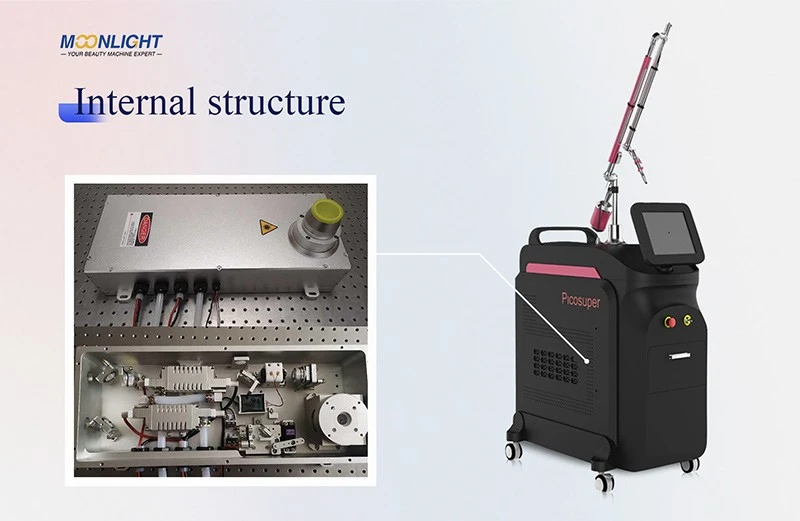

So, how does a tattoo removal device compare to other aesthetic devices in terms of effectiveness? Well, it really depends on what you're trying to achieve. If you're looking to get rid of a tattoo, then a tattoo removal device is the obvious choice. Other aesthetic devices simply aren't designed to break down tattoo ink, so they won't be effective in this regard.
On the other hand, if you're looking to address other skin concerns like wrinkles, fine lines, or uneven skin tone, then there are plenty of other aesthetic devices that might be a better fit. For example, laser resurfacing devices can help to improve the appearance of wrinkles and fine lines by stimulating collagen production in the skin. Similarly, radiofrequency devices can be used to tighten and firm the skin, reducing the appearance of sagging and loose skin.
Another important factor to consider when comparing tattoo removal devices to other aesthetic devices is the cost. Tattoo removal can be a relatively expensive procedure, especially if you have a large or complex tattoo. This is because tattoo removal typically requires multiple sessions, and each session can cost anywhere from a few hundred to a few thousand dollars, depending on the size and location of the tattoo.
In contrast, other aesthetic devices can be more affordable, especially if you're looking for a one-time treatment. For example, a single session of laser hair removal can cost anywhere from $50 to $500, depending on the area being treated. Similarly, a session of microdermabrasion or chemical peel can cost anywhere from $100 to $300.
Of course, cost isn't the only factor to consider when choosing an aesthetic device. You also need to think about the safety and effectiveness of the treatment, as well as the potential side effects. Tattoo removal can be a relatively safe procedure, but it does carry some risks, such as scarring, infection, and changes in skin pigmentation. Similarly, other aesthetic devices can also carry some risks, such as burns, blistering, and allergic reactions.
To minimize the risks associated with any aesthetic procedure, it's important to choose a qualified and experienced provider. Make sure to do your research and read reviews from other patients before choosing a provider. You should also ask to see before and after photos of their work to get an idea of the results they can achieve.
In addition to the cost and safety of the treatment, you also need to think about the convenience and downtime associated with each device. Tattoo removal typically requires multiple sessions, and each session can take anywhere from a few minutes to an hour or more, depending on the size and location of the tattoo. You'll also need to avoid sun exposure and follow a strict aftercare regimen to ensure proper healing.
In contrast, other aesthetic devices can be more convenient and require less downtime. For example, a session of laser hair removal can be completed in as little as 15 minutes, and you can usually return to your normal activities immediately afterwards. Similarly, a session of microdermabrasion or chemical peel can be completed in as little as 30 minutes, and you may only experience mild redness or swelling for a few hours afterwards.
So, which is better: a tattoo removal device or other aesthetic devices? The answer really depends on your individual needs and goals. If you're looking to get rid of a tattoo, then a tattoo removal device is the obvious choice. However, if you're looking to address other skin concerns like wrinkles, fine lines, or uneven skin tone, then there are plenty of other aesthetic devices that might be a better fit.
Ultimately, the best way to determine which aesthetic device is right for you is to consult with a qualified and experienced provider. They can assess your skin and discuss your goals and concerns to help you choose the best treatment option for your needs.
If you're interested in learning more about our Picosecond Laser Tattoo Removal Machine or other tattoo removal devices, please don't hesitate to contact us. We'd be happy to answer any questions you may have and help you determine if tattoo removal is the right choice for you.
References
- Alster, T. S., & Tanzi, E. L. (2003). Laser tattoo removal. Dermatologic clinics, 21(2), 219-228.
- Goldman, M. P., Fitzpatrick, R. E., Ruiz-Esparza, J., & Ruiz-Esparza, G. (2004). Laser treatment of tattoos. Dermatologic surgery, 30(1), 359-369.
- Ross, E. V., & Dover, J. S. (2004). Laser tattoo removal. Seminars in cutaneous medicine and surgery, 23(2), 101-106.