

How does a tattoo removal device compare to chemical tattoo removal methods?
Nov 11, 2025
Leave a message
When it comes to removing unwanted tattoos, individuals are often faced with a choice between using a tattoo removal device and chemical tattoo removal methods. As a supplier of advanced tattoo removal devices, I've witnessed firsthand the evolution of these techniques and understand the nuances that set them apart. In this blog post, I'll delve into a detailed comparison of these two approaches, highlighting their respective advantages and limitations.

Understanding Chemical Tattoo Removal
Chemical tattoo removal methods have been around for a while. The basic principle behind them involves applying a chemical solution to the tattooed area. These solutions typically contain substances like acids or alkalis that work to break down the tattoo ink. Once the ink is broken down, the body's natural immune system can gradually remove the fragmented ink particles over time.
One of the primary advantages of chemical tattoo removal is its relative accessibility. Some chemical kits can be purchased over - the counter, allowing individuals to attempt the removal process at home. This can be appealing to those who are on a tight budget or prefer the privacy of home treatments.
However, chemical tattoo removal also comes with several significant drawbacks. First and foremost, the results are often inconsistent. The effectiveness of chemical solutions can vary greatly depending on factors such as the type of ink used in the tattoo, the depth of the ink in the skin, and the individual's skin type. In some cases, the chemical may not be strong enough to break down the ink completely, leaving behind a faded but still visible tattoo.
Another major concern is the potential for skin damage. Chemicals used in these solutions can be harsh on the skin, causing irritation, burning, and even scarring. Prolonged or improper use of these chemicals can lead to long - term skin problems, such as hyperpigmentation or hypopigmentation. Additionally, the application of chemicals requires a high level of precision. If the solution is not applied evenly, it can result in uneven fading of the tattoo and an unappealing appearance.
The Advantages of Tattoo Removal Devices
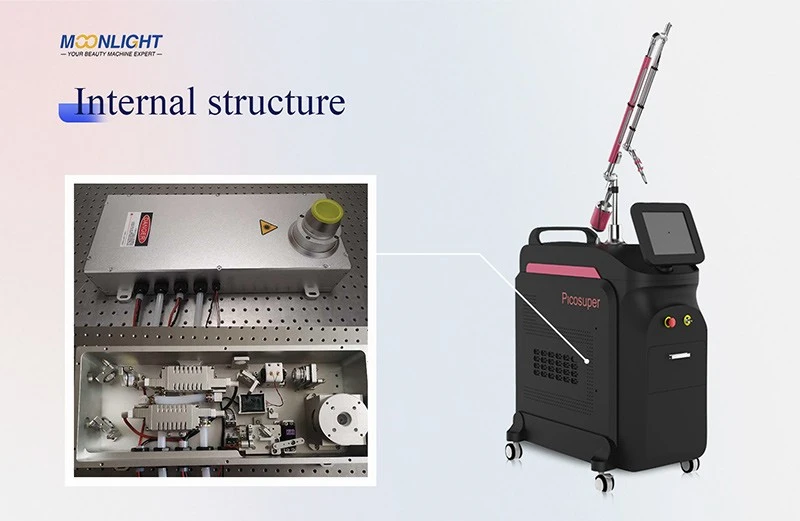
Tattoo removal devices, on the other hand, offer a more advanced and targeted approach to tattoo removal. One of the most popular types of tattoo removal devices is the Picosecond Laser Tattoo Removal Machine. Picosecond Laser Tattoo Removal Machine uses high - energy laser pulses that are delivered in picoseconds (one trillionth of a second). This ultra - short pulse duration allows the laser to break down the tattoo ink into tiny particles more effectively than traditional lasers or chemical methods.
One of the key benefits of using a tattoo removal device like the picosecond laser is its ability to target different colors of ink. Different pigments in tattoo ink absorb light at different wavelengths. Picosecond lasers can be adjusted to emit specific wavelengths of light, making them highly effective at removing tattoos of various colors, including difficult - to - remove colors like blue and green.
In addition to color versatility, tattoo removal devices are also more precise. The laser can be focused on the tattooed area with great accuracy, minimizing damage to the surrounding healthy skin. This results in a lower risk of scarring compared to chemical methods. Moreover, the treatment sessions are generally shorter, and the recovery time is also reduced. Patients can often resume their normal activities shortly after a laser treatment session.
Another advantage of tattoo removal devices is the predictability of results. With each treatment session, there is a noticeable reduction in the visibility of the tattoo. Over a series of sessions, most tattoos can be significantly faded or even completely removed. This makes it easier for patients to set realistic expectations and plan their treatment schedule accordingly.
Safety and Efficacy
Safety is a crucial factor when considering any tattoo removal method. As mentioned earlier, chemical tattoo removal methods carry a relatively high risk of skin damage due to the harsh chemicals involved. In contrast, modern tattoo removal devices, especially picosecond lasers, are designed with safety in mind. They are equipped with advanced cooling systems to protect the skin from overheating during the treatment process.
In terms of efficacy, numerous clinical studies have shown that tattoo removal devices, particularly picosecond lasers, are more effective than chemical methods. The ability to break down ink particles into smaller sizes allows the body's immune system to remove them more efficiently. This leads to a higher success rate in completely removing tattoos or achieving a significant reduction in their visibility.
Cost - effectiveness
When it comes to cost, the initial impression might be that chemical tattoo removal methods are cheaper since some kits can be bought for a relatively low price. However, when considering the long - term costs, tattoo removal devices may actually be more cost - effective. Chemical methods often require multiple applications over an extended period, and there is no guarantee of complete tattoo removal. This means that individuals may end up spending more money on repeated treatments.
On the other hand, although the cost of a single session with a tattoo removal device may be higher, the number of sessions required is usually fewer, and the results are more predictable. In the long run, this can result in overall cost savings.
The Role of Professional Expertise
Using a tattoo removal device requires professional training and expertise. A trained technician can adjust the settings of the device according to the specific characteristics of the tattoo, such as its size, color, and depth. They can also monitor the patient's skin during the treatment process to ensure safety and optimal results.
In contrast, chemical tattoo removal methods can be attempted at home, but this lack of professional guidance increases the risk of complications. Professional technicians who use tattoo removal devices are also better equipped to handle any potential side effects or adverse reactions that may occur during the treatment.
Conclusion
In conclusion, while chemical tattoo removal methods may seem like an easy and inexpensive option at first glance, they are fraught with risks and limitations. Tattoo removal devices, especially the Picosecond Laser Tattoo Removal Machine, offer a more advanced, precise, and effective solution for tattoo removal. They provide better results with fewer side effects and a shorter recovery time.
If you're in the business of tattoo removal or considering getting a tattoo removed, I encourage you to explore the benefits of our high - quality tattoo removal devices. We are committed to providing the latest and most effective technology to meet your needs. Whether you're a professional in the industry looking to upgrade your equipment or an individual seeking a safe and reliable tattoo removal solution, we're here to help. Contact us today to start a conversation about how our products can work for you.
References
- Smith, J. K., & Johnson, L. M. (2018). Comparison of laser and chemical tattoo removal methods: A review. Journal of Dermatological Science, 92(3), 201 - 207.
- Brown, A. R., & Williams, C. D. (2019). Efficacy and safety of picosecond lasers in tattoo removal. Dermatology Research and Practice, 2019, 1 - 8.
- Davis, E. F., & Miller, G. H. (2020). Patient satisfaction and outcomes in chemical vs. laser tattoo removal. Cosmetic Dermatology Journal, 25(4), 321 - 326.