


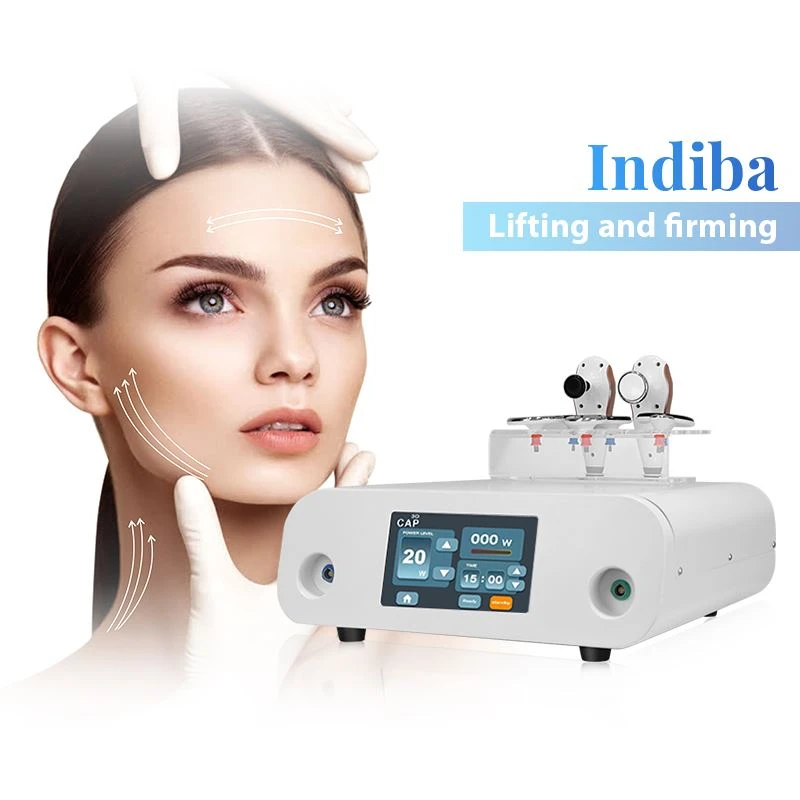

Indiba Radiofrequency System (RES + CET): Deep Hyperthermia For Fat Reduction, Skin Tightening, And Tissue Recovery
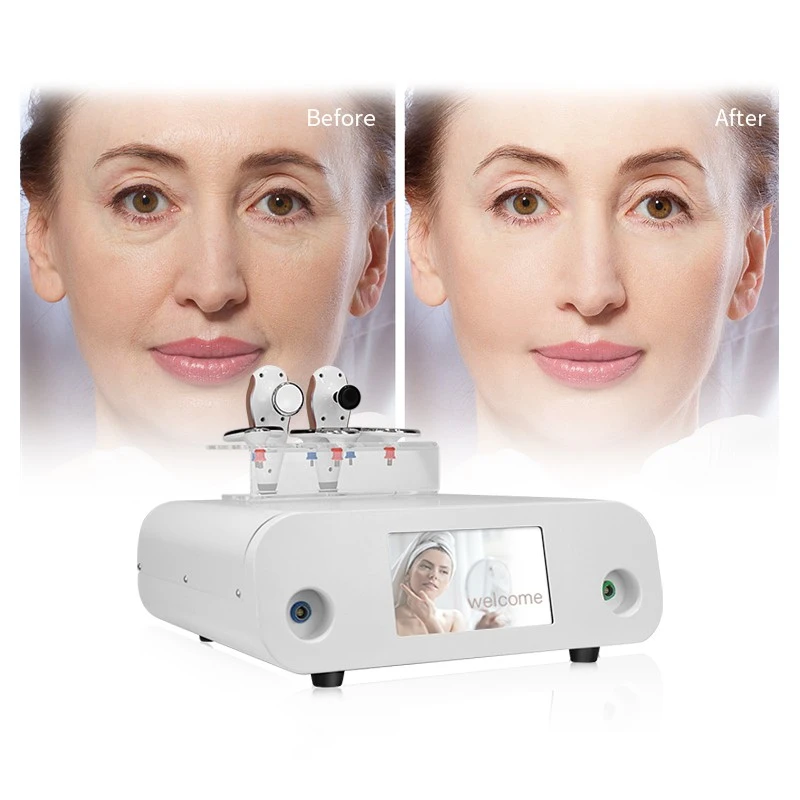
Indiba Radiofrequency System (RES + CET): Deep Hyperthermia For Fat Reduction, Skin Tightening, And Tissue Recovery suppliers
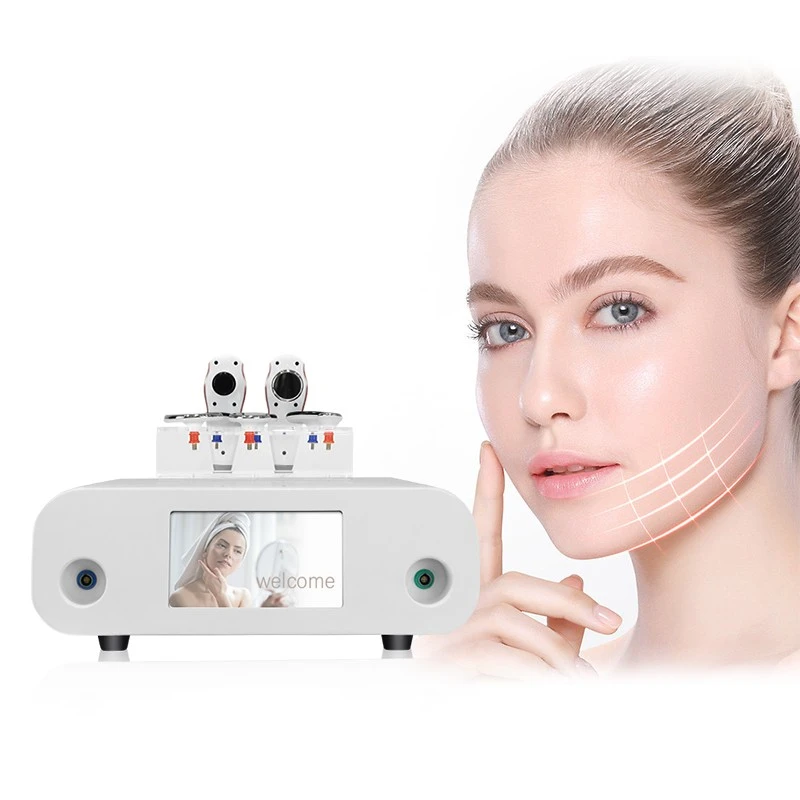
Indiba Radiofrequency System (RES + CET): Deep Hyperthermia For Fat Reduction, Skin Tightening, And Tissue Recovery factory
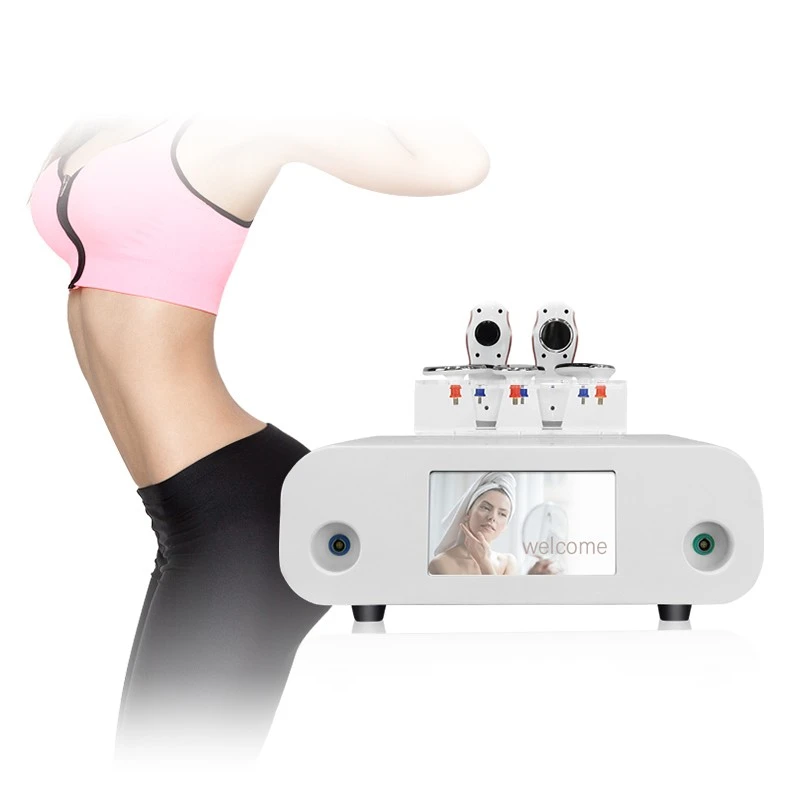
Indiba Radiofrequency System (RES + CET): Deep Hyperthermia For Fat Reduction, Skin Tightening, And Tissue Recovery best
Indiba Radiofrequency System (RES + CET): Deep Hyperthermia For Fat Reduction, Skin Tightening, And Tissue Recovery high quality
Indiba Radiofrequency System (RES + CET): Deep Hyperthermia For Fat Reduction, Skin Tightening, And Tissue Recovery price
Indiba Radiofrequency System (RES + CET): Deep Hyperthermia For Fat Reduction, Skin Tightening, And Tissue Recovery price
Indiba Radiofrequency System (RES + CET): Deep Hyperthermia For Fat Reduction, Skin Tightening, And Tissue Recovery manufacturers
Indiba Radiofrequency System (RES + CET): Deep Hyperthermia For Fat Reduction, Skin Tightening, And Tissue Recovery
Multifunctional All-in-One: A single device offering over a dozen benefits, including fat reduction and body contouring, lymphatic drainage, skin tightening and brightening, wrinkle reduction, postpartum recovery, and endocrine regulation.
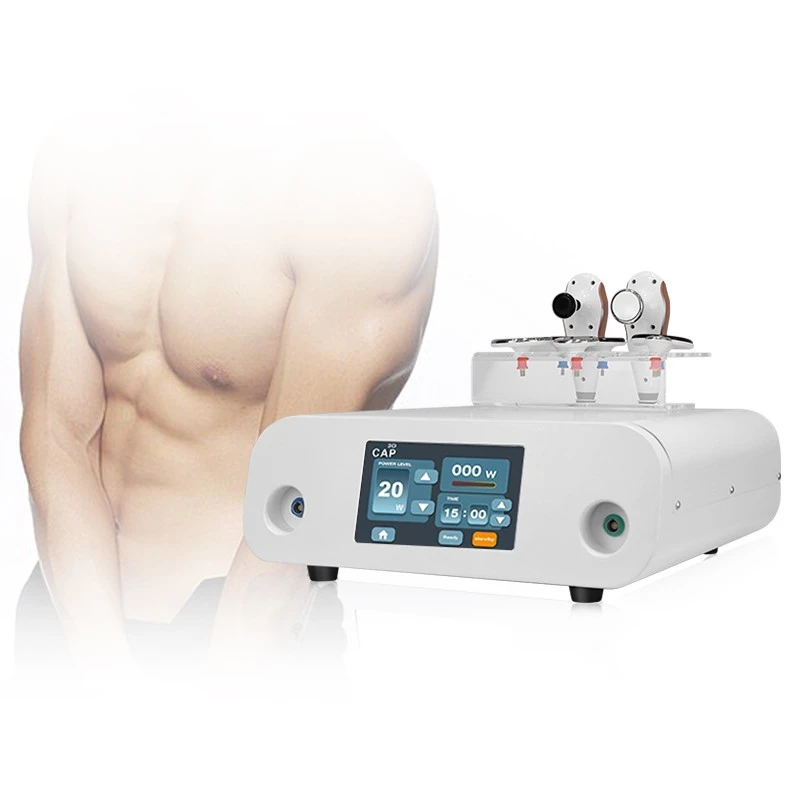
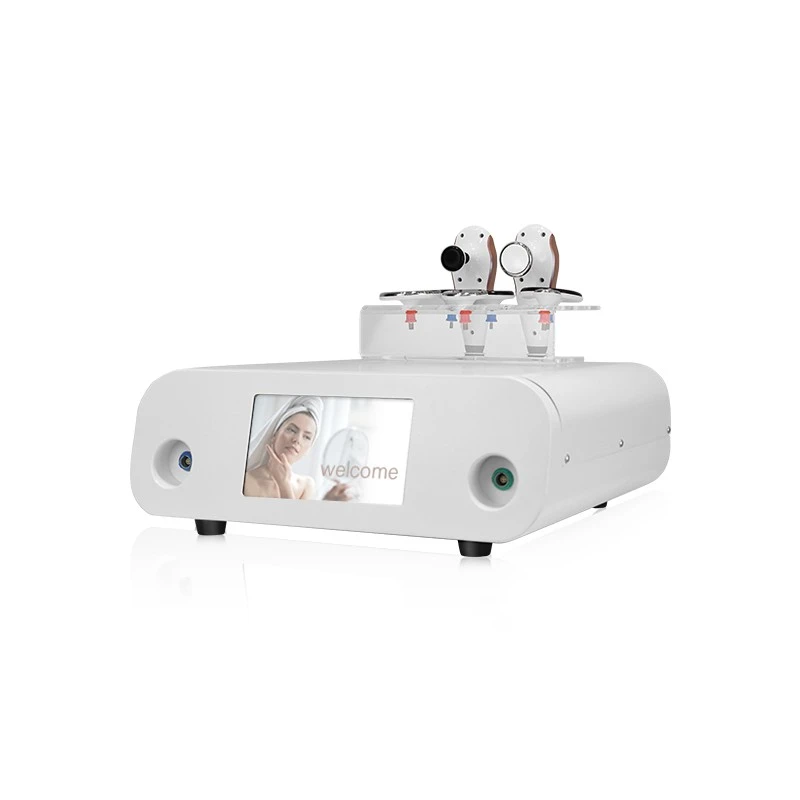
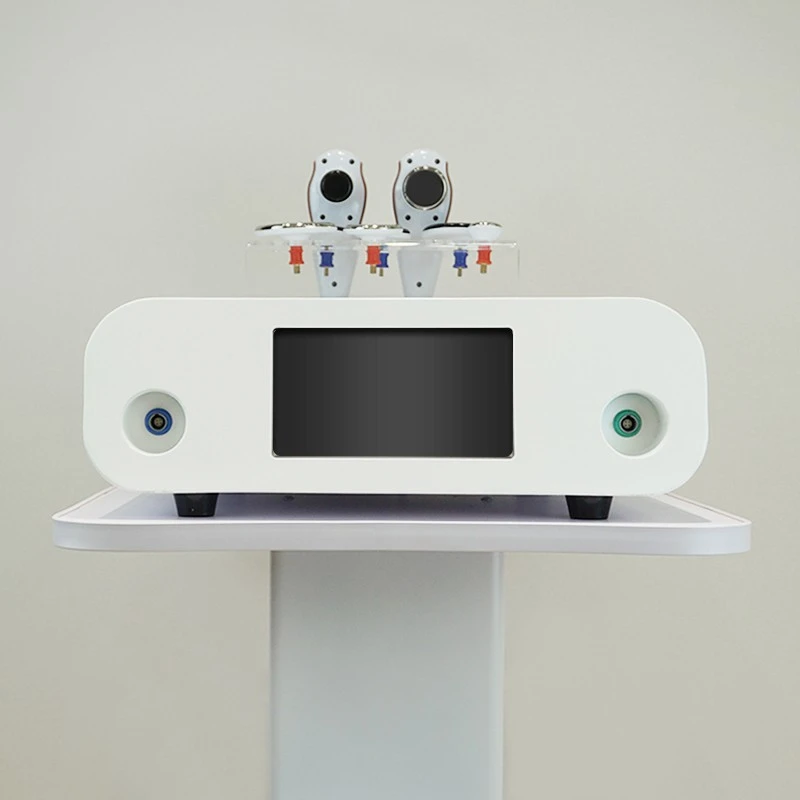
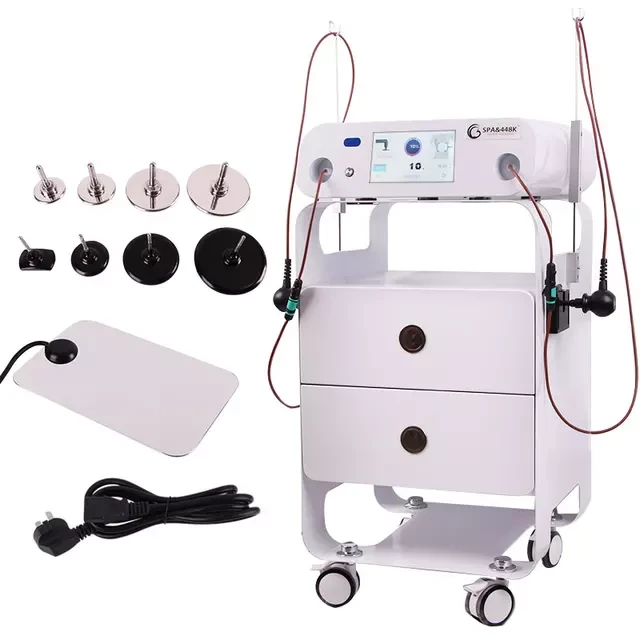
Versatile, Interchangeable Probes: Equipped with specialized applicators—such as the RES fat-dissolving probe and the CET radiofrequency ceramic probe—that allow for quick switching and precise treatment tailored to different body areas and specific needs.
Description
Technical Parameters
Editorial note before the specifications: "Indiba" is widely used in the trade as a category term for 448 kHz resistive and capacitive radiofrequency platforms. The device described on this page is Benomi's own RES + CET system built to that treatment model. It is not a product manufactured by the INDIBA® company, and no claim of affiliation is made. Buyers looking for the original branded equipment should source it through the brand's official channels. Buyers looking for a comparable platform with OEM options, a two-year warranty, and direct factory support are in the right place.
That clarification matters for two reasons. It protects your clinic from misrepresentation in advertising, and it tells you exactly what you are pricing.
Product Introduction: Core Function and Technical Explanation
The platform delivers radiofrequency energy into tissue through two different electrode types, and the distinction between them is the whole point of the technology.
RES mode - resistive transfer. The RES handpiece passes current through the body's own resistance. Because tissue resists the current, molecular friction generates heat inside the tissue rather than at the skin surface. Current oscillates at 448 kHz, a frequency chosen because the amplitude of molecular vibration is small enough that no ionization, electrochemical reaction, or electrolysis occurs. What you get instead is bulk deep heating - the manufacturer calls it deep body warmth - without surface damage.
The clinical consequence is that fat and connective tissue can be brought to therapeutic temperature while the epidermis stays comfortable. Adipocytes exposed to sustained deep heat break down into free fatty acids and glycerol, which are then cleared through normal metabolic and lymphatic routes. Circulation increases, and the tissue that surrounds the fat - the fibrous septae that create dimpling - softens.
CET mode - capacitive transfer. The CET handpiece holds the skin surface at a stable, moderate temperature while driving heat into the dermis. Here the mechanism is different. Capacitive coupling acts on ions and charged colloidal particles in the tissue, setting them in motion. Friction produces heat in the dermal collagen matrix, which reaches roughly 45°C to 60°C. At that temperature, collagen fibers contract immediately, and fibroblasts are stimulated to lay down new collagen, which then remodels over the following weeks.
Two things happen at once: an instant tightening effect from fiber contraction, and a gradual structural improvement from new collagen deposition.
Why both modes on one console. RES works deep and addresses fat, circulation, and lymphatic flow. CET works at the dermal level and addresses laxity, texture, and collagen quality. Running them in sequence on the same client addresses the fat layer and the skin envelope in a single appointment. That is the reason clinics position this as a combined body and facial protocol rather than two separate services.
Probe configuration. Four probes ship with the unit and switch quickly between modes. The RES deep-heat head is the fat-melting applicator, used on the abdomen, flanks, thighs, and buttocks. The CET ceramic probe is the dermal collagen applicator, used on the face, neck, and body areas where laxity is the concern. Additional probe sizes support smaller treatment zones and facial contour work.
Operator control. Energy output and treatment time are adjustable, and the operator moves the probe continuously rather than holding it in one place. Continuous movement, correct coupling, and adequate conductive medium are the three variables that determine whether a session is effective or uncomfortable. All three are trainable, and none of them are automatic.
What the platform is not. It is not a substitute for cryolipolysis or surgical fat removal in clients seeking substantial volume reduction. It is not a treatment for disease. Clinics should confirm local regulatory classification and the permitted wording for body-contouring and therapeutic claims before advertising.

Product Advantages
Two radiofrequency modes on one console. RES delivers deep resistive heating for fat and circulation. CET delivers capacitive dermal heating for collagen and laxity. A single machine covers both the fat layer and the skin envelope, which is what a combined body-and-face protocol requires.
448 kHz operating frequency with negligible electrochemical effect. At this frequency, molecular oscillation is small, so there is no electrolysis and no ion migration at the tissue level. Treatment is comfortable, and continuous movement across the area is well tolerated.
Deep heating without surface damage. RES heats from inside the tissue rather than from the skin surface down. The epidermis stays comfortable while fat and connective tissue reach therapeutic temperature. That is what allows longer sessions on larger body areas.
Immediate and cumulative effects from CET. Collagen contraction at 45°C to 60°C gives a visible tightening effect at the end of a session. New collagen deposition then improves elasticity and texture over the following weeks. Clients see something on the day and something better later, which supports course adherence.
Four probes with fast changeover. Switching between the RES fat head and the CET ceramic probe takes seconds. A single appointment can move from abdominal work to facial contouring without resetting the machine.
Handles both body and facial indications. Abdominal fat, flank and thigh contouring, cellulite, post-partum laxity, facial firming, and product delivery all sit on the same platform. The service menu is broad without a second capital purchase.
Supports topical product delivery. The thermal and electrical environment created during CET passes improves penetration of applied actives. Clinics that retail serum can build the product into the protocol rather than treating it as a separate sale.
Comfortable enough for regular scheduling. There is no suction, no needle, and no anesthetic. Sessions can be booked at the frequency a course requires without the recovery gaps that follow more aggressive modalities.
Useful in recovery and rehabilitation settings. The deep heating and circulatory effects are used for muscle relaxation, joint stiffness, and post-exercise recovery alongside aesthetic body work.
OEM and ODM through Benomi. Branding, interface language, and packaging can be adapted. Qualified orders receive a free logo design service.
Technical Specifications
| Parameter | Specification |
|---|---|
| Technology | Bipolar radiofrequency, resistive (RES) and capacitive (CET) transfer |
| Operating frequency | 448 kHz |
| Modes | RES deep hyperthermia; CET dermal collagen heating |
| RES target tissue temperature | Deep tissue heating, operator-controlled |
| CET collagen contraction range | Approximately 45°C–60°C in the dermis |
| Probes included | 4, fast changeover; RES deep fat head, CET ceramic probe, plus additional sizes for smaller and facial zones |
| Probe application | Continuous movement with conductive medium |
| Skin surface in CET mode | Maintained at constant moderate temperature |
| Electrochemical effect | Negligible at 448 kHz; no electrolysis or ionization at tissue level |
| Treatment areas | Abdomen, flanks, thighs, buttocks, arms, back; face, neck, décolleté |
| Control | Adjustable energy output and treatment time |
| Cooling | Not required for the RF pathway; surface temperature managed by CET coupling |
| Electrical configuration | Confirm voltage at quotation |
| Warranty | 2 years on orders placed through Benomi; confirm at quotation |
| Certifications | ISO, CE, and FDA documentation available; confirm local classification |


Use Scenarios: Where This Platform Fits
Beauty salons and slimming clinics. The combined RES and CET protocol suits a body-contouring menu built around courses. A salon can sell abdominal contouring, thigh and buttock work, and cellulite reduction, then add facial firming as a separate line on the same machine.
Medical spas. The platform supports a tiered offering: a body course for fat and cellulite, a facial course for laxity and texture, and single-session recovery treatments for muscle tension. Because the treatment is comfortable and requires no downtime, it fits into a repeat-visit business model rather than a one-off purchase.
Post-partum and post-weight-loss clinics. Skin laxity after pregnancy or significant weight loss is one of the strongest indications for CET. The deep heating supports circulation and collagen response, while RES addresses residual localized fat. Clinics should set realistic expectations: this is gradual improvement across a course, not an instant tightening.
Physiotherapy and recovery practices. Deep radiofrequency heating is used for muscle relaxation, joint stiffness, and post-exercise recovery. Practitioners run it alongside manual therapy and exercise programs rather than as a replacement for them.
Aesthetic clinics offering product-led protocols. The CET pass improves penetration of applied actives. Clinics that retail corrective serums can position the treatment as a delivery protocol, which raises the perceived value of both the session and the product.
Specific applications commonly addressed:
Localized abdominal, flank, and thigh fat
Cellulite and orange-peel texture on buttocks and thighs
Skin laxity after pregnancy or weight loss
Facial and neck firming, jawline definition
General skin tone, elasticity, and texture
Muscle tension, stiffness, and post-exercise recovery
Improved absorption of topical actives
Treatment Comparison: What Clients Should Expect
During the session. The client lies on a treatment bed with a conductive medium applied to the area. The operator moves the probe in continuous, overlapping passes at the selected energy level. Most clients describe a deep, pleasant warmth that builds through the session. The RES pass on the abdomen feels warmer internally than the CET pass on the face. No numbing is required. If the client reports heat that is sharp rather than deep, the operator reduces energy or increases movement speed.
Immediately after. The treated area is usually flushed and warm, and clients often report a feeling of lightness in the legs after abdominal or lower-body work. After CET facial passes, a visible tightening and lift is common at the end of the session. No downtime is required, and normal activity can resume straight away.
Over the first week. The immediate tightening softens slightly, then returns progressively as new collagen is laid down. Clients working on fluid retention often notice reduced puffiness within the first few sessions. Fat-related change is slower and depends on the number of sessions and the client's metabolic response.
Across a full course. Body protocols typically run as a course of sessions scheduled at intervals that allow tissue recovery, with a review partway through. Facial protocols follow a similar structure, with maintenance afterward. Results are cumulative: the fat layer reduces gradually, the skin envelope tightens, and texture improves.
Compared with cryolipolysis. Cryolipolysis destroys fat cells through cold and relies on the body to clear them over weeks. RES radiofrequency heats tissue to achieve fat breakdown and improved circulation. The two approaches suit different clients: cryolipolysis for discrete fat pockets, RF for broader areas and for clients who also want skin tightening in the same protocol. Many clinics run both.
Compared with thermal radiofrequency devices that heat from the surface. Surface-heating RF relies on epidermal tolerance to determine how much energy reaches the dermis. RES mode heats from within the tissue, so the treatment is not limited by surface discomfort to the same degree. That is the practical difference that matters on larger body areas.
Compared with manual massage. Manual work allows finer adaptation, but it cannot raise deep tissue temperature to the same level and it depends heavily on therapist strength. The RF platform delivers consistent deep heat across large areas in less time. Many clinics combine the two: device work for heating, hands for targeted finishing.
Customer Feedback and Cooperation Cases
A slimming clinic in Spain runs a combined RES and CET body protocol as its core service. The director reported that clients tolerate the deep heat well and that scheduling is straightforward because no downtime is involved. The clinic positions facial CET work as an add-on to body courses, which raised the average value per visit.
A post-partum recovery studio in the United Arab Emirates uses CET on the abdomen for laxity after childbirth. The team noted that clients appreciate a comfortable, non-invasive option and that the visible tightening at the end of each session supports course adherence. Abdominal RES passes are introduced once the client is cleared and comfortable.
A physiotherapy practice in Germany uses the deep heating mode for muscle relaxation and joint stiffness alongside manual therapy. The practitioners cited the absence of surface irritation as the reason it fits easily into an existing rehabilitation schedule.
A distributor in Southeast Asia ordered the platform under its own brand with a localized interface. The distributor highlighted the four-probe configuration as a strong demonstration feature, since both the fat-reduction and collagen modes can be shown in a single clinic visit.


Factory Strength and Certifications
Weifang Benomi Electronic Technology Co., Ltd. is based in Weifang, Shandong Province, China, with more than 18 years in the research, development, production, and service of professional aesthetic equipment. The production facility includes an international-standard dust-free workshop, which requires investment in air filtration and environmental control and is uncommon in this equipment category.
Benomi holds ISO, CE, and FDA certification documentation across its product range. Inspection procedures and operating specifications are documented and followed at each production stage. Certificate copies are available during the inquiry process. Buyers should confirm the regulatory classification of radiofrequency equipment in their own market and the permitted wording for body-contouring and therapeutic claims before launch.
OEM and ODM development is supported. Custom logo, interface language, housing branding, and packaging can be adapted. Qualified orders receive a free logo design service, and the engineering team handles voltage configuration and language packs for specific markets.
Every unit is tested before shipment with video documentation. Installation guidance and operator training are handled remotely, covering probe selection, energy setting, movement technique, and session sequencing. The modular architecture simplifies diagnosis and part replacement, and spare probes are available for clinics running high session volumes. Engineers respond within 24 hours, and warranty terms are confirmed at quotation. Orders placed through Benomi carry a two-year warranty with lifelong maintenance support.
Wholesale Policy
| Item | Policy |
|---|---|
| Minimum order | One unit for evaluation; tiered distributor pricing from three units |
| OEM and ODM | Available. Custom logo, interface language, housing branding, and packaging. Free logo design for qualified orders. |
| Production time | 7–12 working days standard; 15–20 working days for customized builds |
| Shipping | Express couriers for single units; air or sea freight for volume orders |
| Payment | T/T, Western Union, or negotiated terms for established distributors |
| Packaging | Reinforced carton with foam lining; probes packed separately |
| Warranty | Two years on orders placed through Benomi; confirm details at quotation |
| After-sales | 24-hour engineer response; remote training and commissioning; spare probes and replacement parts available |
| Documentation | User manual, protocol guide, probe selection chart, contraindication checklist, certification copies, and test report included |


Frequently Asked Questions
Q: What is the difference between RES and CET modes?
A: RES uses the body's own electrical resistance to generate heat inside the tissue, which is why it reaches fat and deeper structures. CET uses capacitive coupling to drive heat into the dermis while keeping the skin surface at a stable temperature. RES is the fat and circulation mode; CET is the collagen and tightening mode. Most body protocols use both in sequence.
Q: Is this the same as INDIBA-branded equipment?
A: No. It is Benomi's own 448 kHz radiofrequency platform built to the same RES and CET treatment model. It is not manufactured by, affiliated with, or endorsed by the INDIBA company. If you need the original branded device, source it through official channels.
Q: How does 448 kHz differ from other radiofrequency frequencies?
A: At 448 kHz, molecular oscillation is small enough that the current produces heat through friction without causing ionization, electrolysis, or electrochemical reaction in the tissue. That is what makes deep heating tolerable and repeatable.
Q: Does the treatment hurt?
A: Most clients describe deep, comfortable warmth. The sensation should feel internal rather than sharp. If it feels sharp, energy is too high or the probe is moving too slowly, and the operator adjusts. No anesthetic is used.
Q: How many sessions are needed?
A: It depends on the indication and the client's response. Body protocols usually run as a course with sessions spaced to allow tissue recovery, and facial protocols follow a similar structure with maintenance afterward. A consultation should set the exact plan before treatment begins.
Q: When will results be visible?
A: CET facial work often produces visible tightening at the end of the first session, with cumulative improvement over following weeks as new collagen is deposited. Fat and cellulite change is gradual and depends on session count, area, and lifestyle factors.
Q: Can it be combined with other body treatments?
A: Yes, with timing considerations. Many clinics run RES and CET in the same appointment. Combining with cryolipolysis or injectables requires an interval, and clinics should set their own sequencing policy and document it.
Q: Who should not be treated?
A: Contraindications typically include pregnancy, implanted electronic devices such as pacemakers or neurostimulators, metal implants in the treatment area, active infection or open skin, malignancy, severe circulatory disorders, and uncontrolled systemic disease. Clinics should use a written screening checklist and refer uncertain cases to a physician.
Q: Does the treatment require consumables?
A: A conductive medium is required for each session, and topical products are used with CET passes. There are no cartridges or single-use pads. Probes are reusable and cleaned between clients.
Q: What maintenance does the equipment need?
A: Probes and cables should be inspected after each session for damage to the coupling surface. Connections and the power supply should be checked regularly. Follow the service schedule rather than extending intervals. Spare probes are recommended for clinics running high daily volumes.
Q: What are the space and electrical requirements?
A: The system needs a treatment bed, a trolley or stand for the main unit, and a standard clinical power supply confirmed at quotation. No plumbing or special ventilation is required.
Q: Can the machine be branded for our clinic or distribution line?
A: Yes. OEM and ODM cover logo, interface language, housing branding, and packaging. Qualified orders receive a free logo design service.
Q: What is the minimum order and lead time?
A: One unit for evaluation, with distributor pricing from three units. Standard production takes 7–12 working days; customized builds take 15–20 working days. Shipping time depends on destination and freight method.
Q: How do I request a quotation?
A: Send us a message with your country, clinic type, the protocols you plan to offer, and whether you need custom branding or additional probes. We will reply within one business day with pricing, freight estimates, certification documents, and a video showing RES and CET passes in use.
Request Pricing and a Demonstration Video
Tell us which services you plan to build - body contouring, cellulite, post-partum tightening, facial firming, or recovery work - and we will send a full quotation, the electrical specification for your market, certification copies, and a video showing both RES and CET modes in clinical use.
Weifang Benomi Electronic Technology Co., Ltd.
Weifang, Shandong, China
More than 18 years in professional aesthetic equipment manufacturing
[Send Inquiry] - Include your country, intended applications, and target quantity for the fastest response.
Hot Tags: indiba radiofrequency system (res + cet): deep hyperthermia for fat reduction, skin tightening, and tissue recovery, China indiba radiofrequency system (res + cet): deep hyperthermia for fat reduction, skin tightening, and tissue recovery manufacturers, factory
Send Inquiry


